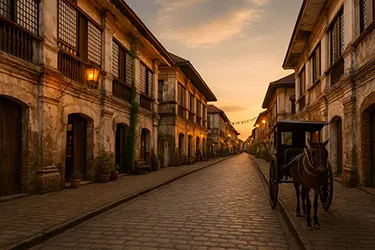
If you think the Philippines begins and ends with Boracay and Palawan, you’re missing the best parts — the ones without hashtags, hotel chains, or overpriced coconut shakes.
Ask a Filipino where they go to escape, and you’ll get a list that sounds more like a treasure map than a travel brochure. Scribbled directions, ferry transfers, and a local’s grin that says, “You’re not ready for this paradise.”
Welcome to the Philippines, the locals love — quieter, quirkier, and far more beautiful than your Instagram feed could ever handle.
These are the islands, rivers, and mountain trails where locals whisper about — the places where paradise hides in plain sight.
Why You Should Ditch the Usual Tourist Trail
Even paradise can get crowded. Boracay’s sunsets come with beach umbrellas elbowing for space. Palawan’s lagoons? Gorgeous, yes — but sometimes you have to queue for your turn to “find yourself.”
Locals, though, know the secret. They don’t chase hype; they chase peace — the kind that hums with cicadas, smells like grilled fish and sea salt, and comes with zero notifications.
There’s a quiet pride here: in beaches without bars, in waterfalls without railings, in laughter echoing through tiny fishing villages. And if you learn the rhythm — the respectful nods, the unhurried pace, the art of “good morning, po” — you’ll discover that the best adventures aren’t on a map.
Visayas’ Hidden Treasures
Camiguin – The Island Born of Fire

Camiguin is petite but powerful. Known as the Island Born of Fire for its seven volcanoes and countless hot springs, locals will tell you it’s also the island born for slow living.
Here, you can snorkel atop a sunken cemetery in the morning, soak in Ardent Hot Springs by afternoon, and feast on grilled fish under a sky full of stars.
Camiguin doesn’t chase tourists. It doesn’t need to. Its charm lies in its lack of pretense — lush forests, clear seas, and friendly locals who’ll lend you a hammock if you ask nicely.
How to Get There:
- From Manila: Fly to Cagayan de Oro (1.5 hours), then take a 2-hour van ride to Balingoan Port. From there, hop on a 1-hour ferry to Camiguin.
- From Cebu: Direct flights to Camiguin operate several times weekly (just 50 minutes).
- Getting Around: Rent a scooter or hire a tricycle to circle the island — you can see most of it in a day.
Where to Stay:
- Balai sa Baibai — Balinese-inspired beachfront resort with ocean views.
- Volcan Beach Eco Retreat — Rustic, sustainable, and steps from the sea.
Where to Eat:
- La Dolce Vita — Homemade pasta and pizza.
- J&A Fishpen — Fresh seafood, grilled right on the water.
Local tip: Stop at roadside fruit stalls — their mangoes taste like sunshine.
Budget Estimate: $150–250 for 3 days
Apo Island – The Turtle Sanctuary Locals Protect

About 40 minutes from Dumaguete, Apo Island feels like a secret the sea itself is keeping. Surrounded by coral gardens, it’s one of the country’s best marine sanctuaries and a model for sustainable tourism.
How to Get There:
- From Manila: Fly to Dumaguete (1 hour 15 minutes), then take a tricycle to Malatapay Port (40 minutes). From there, a 30-minute boat brings you to Apo Island.
- From Cebu: Take a fast ferry to Dumaguete (4–5 hours) or a short flight.
- Getting Around: Apo Island is small — everything’s walkable. Bring cash; there are no ATMs.
Where to Stay:
- Liberty Lodge & Dive Resort — Cozy and beachfront, with dive tours.
- Apo Island Beach Resort — Charming cottages and a private beach feel.
Where to Eat:
- Resorts serve set meals — mostly fresh seafood and rice.
- Bring snacks from Dumaguete; there are no grocery stores.
Local tip: Sunrise snorkels are the best time for sea turtle encounters.
Cuatro Islas, Leyte – Four Tiny Paradises

Locals call this their mini Maldives. Four small islands — Digyo, Apid, Himokilan, and Mahaba — shimmer off the coast like silver coins.
How to Get There:
- From Manila: Fly to Tacloban (1 hour 15 minutes), then take a van to Inopacan (3–4 hours). From there, boats to Cuatro Islas depart daily.
- From Cebu: Ride a ferry to Baybay City (5 hours), then a van or bus to Inopacan (1 hour).
- Getting Around: Hire a motorized outrigger for island hopping; rates are negotiable.
Where to Stay:
- The Baybayon Agalon Resort (Inopacan) — clean and close to the pier.
- Or camp on Digyo Island under the stars.
Where to Eat:
- Ask locals to grill fresh fish or bring your own food.
- Try Inopacan’s Carinderia Row by the pier — great home-cooked meals.
Local tip: Weekdays are quieter, and the sunsets here are cinematic.
Canigao Island – The Budget Beach Secret

Canigao is the locals’ quick escape — a short boat ride from Matalom, Leyte, and you’re in turquoise bliss.
How to Get There:
- From Manila: Fly to Tacloban, then take a van or bus to Matalom (4–5 hours). From Matalom Pier, boats leave for Canigao every 30 minutes.
- From Cebu: Take a ferry to Hilongos (3–4 hours), then a jeepney or van to Matalom (30 minutes).
- Getting Around: It’s a small island — walk barefoot everywhere.
Where to Stay:
- Camp on the beach (tent rentals available).
- Matalom Bayview Inn — a mainland option near the port.
Where to Eat:
- Island food stalls serve grilled fish and halo-halo.
- Bring snacks and drinking water — supplies are limited.
Local tip: Stay overnight for a starlit sky you’ll never forget.
Lake Danao – The Mountain Lake Nobody Talks About

A guitar-shaped lake tucked in Ormoc’s mountains, Lake Danao feels like a secret refuge.
How to Get There:
- From Manila: Fly to Tacloban (1 hour 15 minutes), then a 3-hour van to Ormoc. From Ormoc, hire a tricycle or motorbike (40 minutes uphill).
- From Cebu: Take a fast ferry to Ormoc (2–3 hours).
- Getting Around: Motorbike taxis are available; most visitors hire one for a round trip.
Where to Stay:
- Sabin Resort Hotel — peaceful lakeside property with a pool.
- Lake Danao Guest House — simple stay with direct lake access.
Where to Eat:
- Vendors near the park serve grilled tilapia and rice.
- In Ormoc, stop at Mayong’s Bakeshop for local pastries.
Local tip: Visit at sunrise for mirror-still reflections.
The Secret Soul of Mindanao
If the Visayas are where calm meets color, Mindanao is where mystery meets magic.
Enchanted River, Surigao del Sur

A luminous blue river said to be guarded by spirits — the Enchanted River feels otherworldly.
How to Get There:
- From Manila: Fly to Butuan or Davao (1.5 hours). From Butuan, take a 4-hour bus to Hinatuan.
- From Cebu: Fly to Davao (1 hour 10 minutes), then 5–6 hours by bus to Hinatuan.
- Getting Around: Habal-habal (motorbike taxis) are the best way to reach the river from town.
Where to Stay:
- Hinatuan Enchanted River Resort — budget-friendly near the entrance.
- Marky’s Hostel — cozy and convenient.
Where to Eat:
- Ocean View Park & Restaurant in Bislig for fresh seafood.
- Try kinilaw (Filipino ceviche) from stalls near the river.
Local tip: Come early; by noon, it’s packed with both fish and people.
Tinuy-an Falls – The Mini Niagara of the South

Three cascading tiers of water thundering through the jungle — Tinuy-an Falls is both majestic and humbling.
How to Get There:
- From Manila: Same route as Enchanted River — fly to Butuan or Davao, then bus or van to Bislig (6–7 hours).
- From Cebu: Fly to Davao, then take a van to Bislig (6 hours).
- Getting Around: Hire a habal-habal or tricycle from Bislig City to the falls (30 minutes).
Where to Stay:
- Paper Country Inn — traveler favorite for its comfort and local vibe.
- Casa de Babano — homey and family-run.
Where to Eat:
- Barobo Eatery — sizzling seafood platters and cold beer.
- Try barbecue skewers at the falls’ entrance.
Local tip: Arrive before 9 a.m. for the best light — the rainbow mist is real.
The North’s Quiet Corners
Up north, the air cools, the pace slows, and the mountains begin to whisper.
Sagada’s Lesser-Known Caves

Beauty runs deep in Sagada — literally. Beyond the famous coffins are tranquil caves and ancient burial grounds.
How to Get There:
- From Manila: 9–10 hours by bus to Baguio, then transfer to a Sagada-bound van (5–6 hours).
- From Cebu: Fly to Manila, then follow the Baguio route — or fly to Tuguegarao and drive via Mountain Province.
- Getting Around: Walk or hire local guides; tricycles connect nearby villages.
Where to Stay:
- Rock Inn & Café — charming, with its own orchard and bonfire nights.
- Sagada Cellar Door — artsy, intimate, and cozy.
Where to Eat:
- Yoghurt House — legendary comfort food.
- Sagada Brew — coffee with a mountain view.
Local tip: Go caving early; fog adds an ethereal touch to the morning air.
Kalinga – Tattoo Stories and Mountain Villages

Kalinga is where ink meets ancestry.
How to Get There:
- From Manila: Fly to Tuguegarao (1 hour 15 minutes), then take a bus or van to Tabuk (3–4 hours), and a jeepney to Tinglayan (2–3 hours).
- From Cebu: Fly to Tuguegarao via Manila or Clark.
- Getting Around: Locals rely on habal-habal (motorbikes) or shared jeepneys between villages.
Where to Stay:
- Whang-Od Village Homestays — simple, authentic, and run by local families.
- Sleeping Beauty Inn in Tinglayan — basic but comfortable.
Where to Eat:
- Home-cooked meals at your homestay — rice, vegetables, mountain coffee.
- Snack on fresh ube bread sold along the road.
Local tip: Bring gifts (like coffee or fruit) for your hosts — it’s a gesture locals deeply appreciate.
How to Travel Like a Local (Without Being Annoying)

Filipinos are famously hospitable — but don’t mistake kindness for carte blanche.
Here’s how to blend in (and earn a few extra smiles):
- Smile often. It’s the national language.
- Learn a few words: Salamat (thank you), Magandang umaga (good morning).
- Bring cash. ATMs are rare outside cities.
- Ask before taking photos, especially in sacred areas.
- Support small: eat at carinderias, hire local guides, buy handwoven souvenirs.
- And most of all: don’t rush. The Philippines isn’t a checklist — it’s a rhythm.
Final Thoughts — The Philippines You Haven’t Met Yet
The Philippines doesn’t ask to be conquered, photographed, or “checked off.” It asks to be felt.
The laughter of kids chasing waves. The scent of rice cooking on a wood fire. The moment a stranger hands you coffee and says, “Welcome, you’re family now.”
Go where the maps fade and the stories begin. The locals already know — that’s where the Philippines truly lives.
So, where will you go first — the mountain that hums, the river that glows, or the beach that doesn’t need a filter?
Pack curiosity, not expectations. You’ll return home richer than you left.
FAQs About Hidden Gems in the Philippines
1. What’s the safest hidden island to visit?
Camiguin and Apo Island are both safe and well-connected to nearby cities.
2. Do locals welcome foreign visitors?
Absolutely. Filipinos love curious, respectful travelers who try to learn about their culture.
3. When’s the best time to explore offbeat spots?
Dry season (December–May) is ideal, but rainy months bring fewer crowds and lusher scenery.
4. What should I pack for remote travel?
Cash, mosquito repellent, power bank, reef-safe sunscreen — and a sense of humor.
5. How can I support local communities?
Stay in homestays, hire local guides, and buy directly from artisans.
6. Are there ATMs?
Rare outside big towns — always bring cash.
7. What’s the best hidden gem near Manila?
Dingalan, Aurora — cliffside views and coves just four hours away.
8. Do I need permits for remote islands?
Some require local registration — check with the tourism office or your boatman.
Other Articles that may be of Interest
You may also find the following articles interesting.
- Affordable Island Living: Why Retirees Love the Philippines
- The Best Places for First-Time Philippine Travelers: A Love Affair with Cebu, Siquijor, Palawan, Leyte & Negros
Suggestions For Lodging and Travel
Lodging is widely available throughout the Philippines. However, you may want to consider getting assistance booking tours to some of the Philippines’ attractions. I’ve provided a few local agencies that we’ve found to be very good for setting up tours. For transparency, we may earn a commission when you click on certain links in this article, but this doesn’t influence our editorial standards. We only recommend services that we genuinely believe will enhance your travel experiences. This will not cost you anything, and I can continue to support this site through these links.
Local Lodging Assistance
- Guide to the Philippines: This site specializes in tours throughout the Philippines, offering flexibility in scheduling and competitive pricing. I highly recommend them for booking local arrangements for a trip like this one. You can book flights and hotels through the Expedia link provided below.
- Hotel Accommodations: I highly recommend The Manila Hotel for a stay in Manila. I stay here every time I travel to the Philippines. It is centrally located, and many attractions are easily accessible from there. Intramuros and Rizal Park are within walking distance. I have provided a search box below for you to use to search for hotels (click on “Stays” at the top) or flights (click on “Flights” at the top). This tool will provide me with an affiliate commission (at no additional cost to you).
- Kapwa Travel is a travel company focused on the Philippines. It specializes in customizing trips to meet customers’ needs.
- Tourismo Filipino is a well-established company that has been operating for over 40 years. It specializes in tailoring tours to meet customers’ needs.
- Tropical Experience Travel Services – Tours of the Philippines: This company offers a range of tour packages, allowing you to tailor your trip to your preferences.
Lastly, we recommend booking international travel flights through established organizations rather than a local travel agent in the Philippines. I recommend Expedia.com (see the box below), the site I use to book my international travel. I have provided a search box below for you to use to search for flights (click on “Flights” at the top) or Hotels (click on “Stays” at the top). This tool will provide me with an affiliate commission (at no cost to you