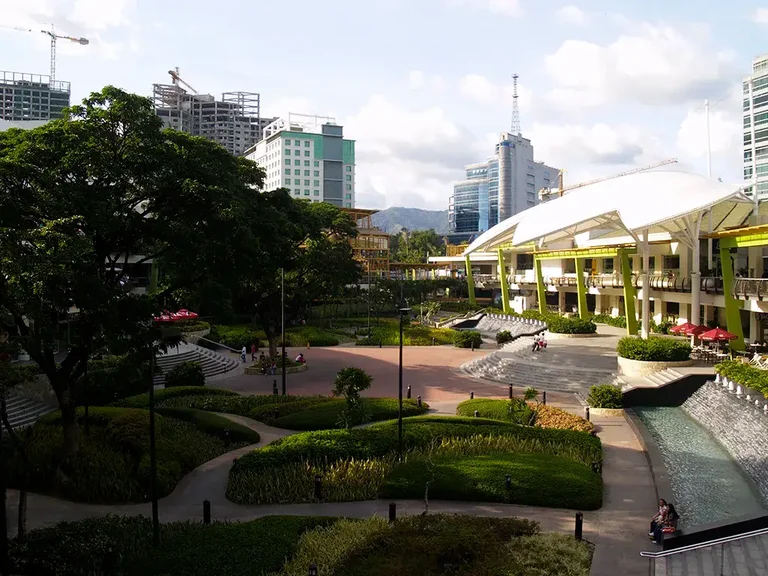
Introduction – Where the Sunset Lasts Longer
Why retire in the Philippines, aside from the idea of affordable island living? What if your retirement looked like this: you wake up to the sound of waves, wander down the beach with your morning coffee, and your most significant daily decision is whether to nap before or after lunch?
That’s not a fantasy — it’s Tuesday in the Philippines.
For decades, this island nation has quietly become one of the most beloved places to retire in Asia. Not because it’s affordable island living (though it is delightfully affordable), but because it has something money can’t buy — warmth. And not just the tropical kind. The people, the culture, the everyday smiles — they wrap you in a sense of belonging that retirees often search for years to find.
The Philippines is where strangers call you “Kuya” or “Tita” after one conversation, where the nurse at your clinic knows your favorite snack, and where your neighbor will bring you mangoes just because “they’re sweet today.”
Retiring here isn’t escaping life — it’s upgrading it.
Whether you crave mountain mornings or barefoot beach days, the country’s 7,641 islands offer a version of paradise tailored to you. Let’s find your island match — your forever hammock spot — in Luzon and the Visayas.
Top Island Destinations in Luzon
Luzon might surprise you. While it’s home to the bustling capital, Manila, the island also hides some of the best retirement havens in the country — incredible mountains, colonial towns, and foodie capitals that feel like small universes of comfort and charm.
Baguio City – The Summer Capital

If the idea of tropical heat makes you sweat just thinking about it, Baguio is your mountain escape. Perched over 1,500 meters above sea level, it’s known as the “City of Pines” — a breezy, pine-scented refuge where sweaters are actually helpful.
Expats and retirees adore it for its mild weather, affordable cost of living, and clean, organized atmosphere. There’s a café culture here that rivals any small European town — think mountain views with your mocha and jazz bands at night.
Healthcare? Check. St. Luke’s and other modern hospitals are within a short drive. Internet? Strong enough for Zoom calls with the grandkids.
But the real perk? The people. Baguio’s residents have mastered the art of calm hospitality. No chaos, no rush, just cool weather and cooler company.
Perfect for: Retirees who like their paradise with a bit of sweater weather.
Pampanga – A Foodie’s Paradise with City Comforts
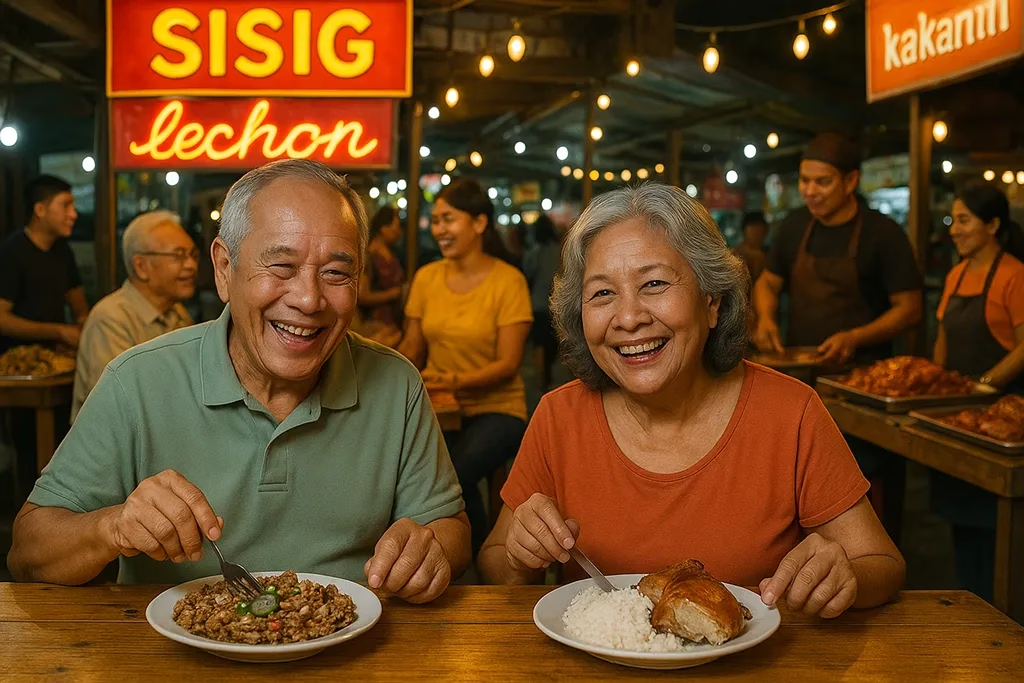
A two-hour drive north of Manila, Pampanga is where history, cuisine, and convenience collide. Known as the “Culinary Capital of the Philippines,” it’s the kind of place where every neighborhood has a legendary cook — and the adobo might just make you tear up.
Beyond its food scene, Pampanga offers a unique balance that few provinces can match: access to Manila’s medical facilities and international airports without the city’s chaos. There are gated communities, modern shopping centers, and yes — some of the best lechon (roast pork) on the planet.
And for the record, you don’t have to cook here. Someone’s lola probably insists you eat with them anyway.
Perfect for: Retirees who believe happiness is a full plate and a whole heart.
Vigan – Time Travel with Wi-Fi
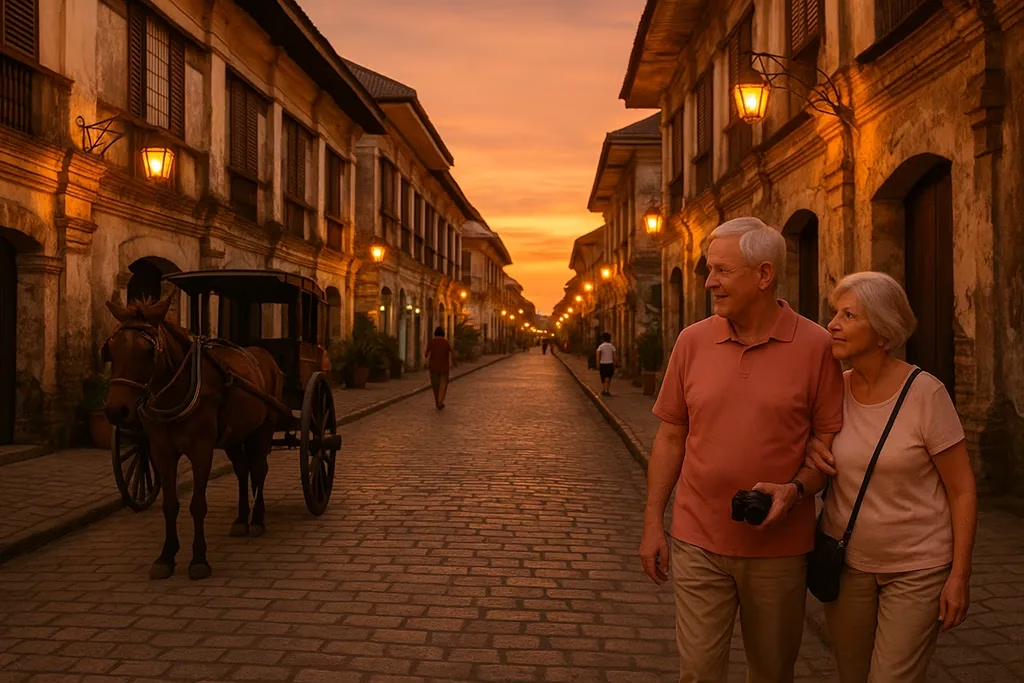
Vigan is not the type of place that first comes to mind when thinking about affordable island living, but imagine cobblestone streets, horse-drawn carriages, and 18th-century Spanish homes that glow golden at sunset. That’s Vigan — a UNESCO World Heritage City that feels like Europe, but warmer and friendlier.
Despite its old-world charm, Vigan is not stuck in the past. There are cafés, boutique hotels, good hospitals, and fast fiber internet. Life here moves slowly, in the best way possible — the slow that lets you actually finish your book before the coffee gets cold.
It’s affordable too. You can rent a restored ancestral home for what you’d pay for a parking space in California.
Perfect for: Culture lovers, history buffs, and anyone who thinks a good day includes cobblestones and churros.
Benefits of Retiring on a Luzon Island
- Affordability: You can live comfortably on USD $1,200–$1,800 per month, including housing, utilities, and the occasional halo-halo indulgence.
- Accessibility: Modern airports and highways make travel to Manila or neighboring islands a breeze.
- Healthcare: Major hospitals and clinics with English-speaking staff are common in cities like Baguio and Pampanga.
- Diversity: Mountains, heritage towns, and coastal getaways — all within one island.
Key takeaway: Luzon offers a diverse range without added complexity. You can live quietly while staying close to the heartbeat of the country.
Top Island Destinations in the Visayas
If Luzon is the polished mainland, the Visayas are the heart and soul of island living — turquoise waters, slow mornings, and tight-knit communities where everyone greets you by name after week two.
Cebu City – Big City Energy, Island Soul

Cebu City strikes the perfect balance between modern life and beach life. It’s got everything you’d want — top-notch hospitals, international schools, restaurants, shopping centers — yet 20 minutes away, you can be snorkeling with sea turtles.
Retirees love Cebu because it’s practical. You can get your prescription refilled, take yoga by the sea, and be at the airport for a quick domestic hop — all in one afternoon. The cost of living is still far below Western standards, and English is widely spoken.
The city buzzes, but gently. Think Manila with better manners and better seafood.
Perfect for retirees seeking comfort, community, and culture — all in flip-flops.
Bohol – Serenity by the Sea
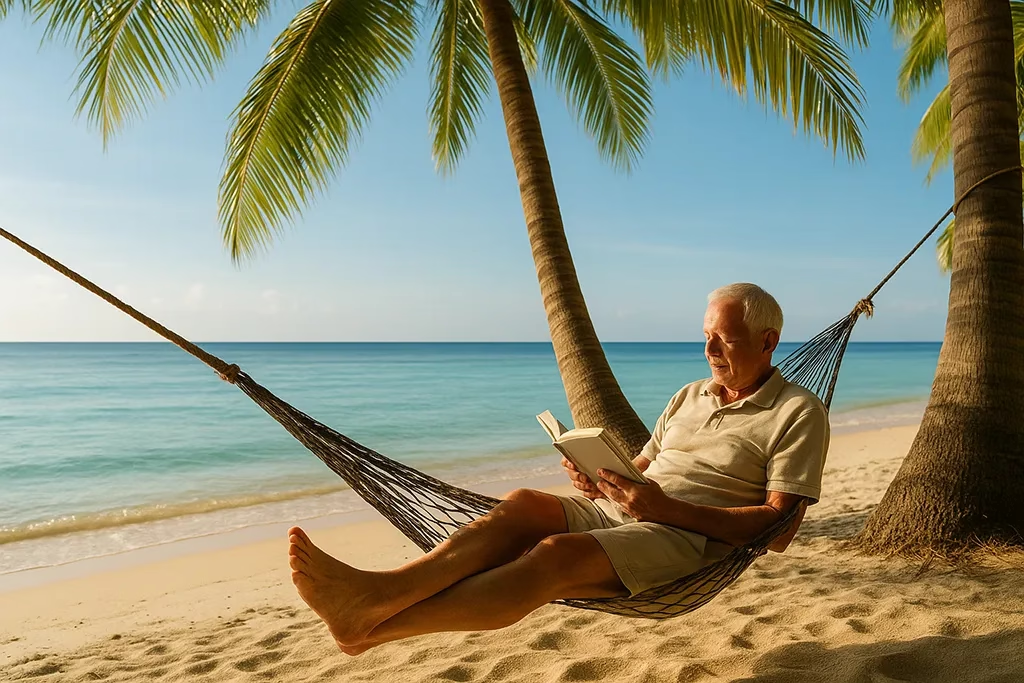
If Cebu is lively, Bohol is peaceful. This island is pure tranquility — palm-fringed beaches, rolling hills, and locals who still wave at passing tricycles.
Tagbilaran City and Panglao Island offer excellent medical facilities and expat-friendly communities. There’s a small but vibrant international crowd, yoga retreats, and farmers’ markets that sell everything from mangoes to handmade jewelry.
What you won’t find? Stress.
Perfect for retirees seeking peace, modern comforts, and a sea view from their porch.
Camiguin Island – The Tiny Gem with a Big Heart
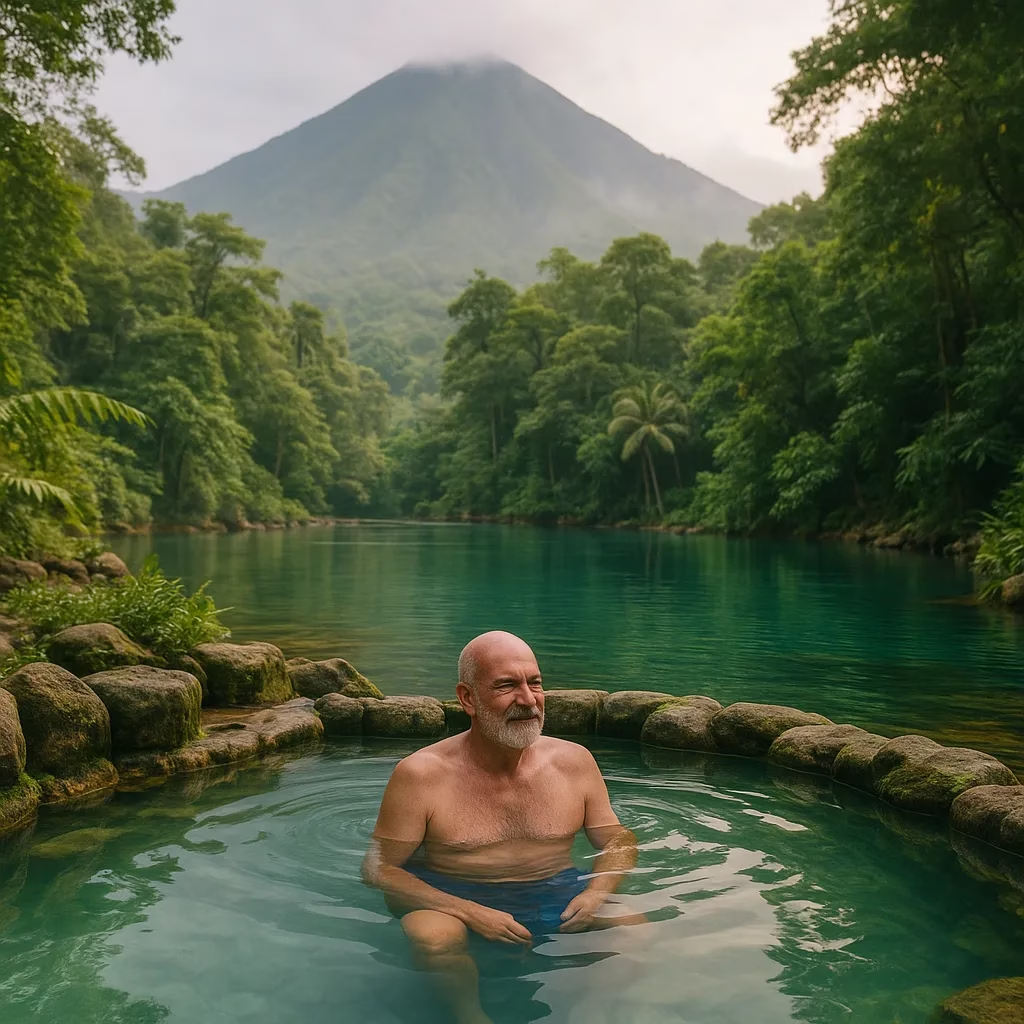
Known as the “Island Born of Fire,” Camiguin is a volcanic wonderland — lush forests, natural hot springs, and a gentle rhythm of life that feels like stepping into a forgotten paradise.
It’s small enough to drive around in a day but big enough to fill a lifetime with beauty. Locals are welcoming, safety levels are high, and fresh seafood is cheaper than your morning latte back home.
There’s something spiritual about Camiguin — maybe it’s the misty mountains or the sound of church bells at dusk — but most retirees end up staying longer than planned.
Perfect for: Nature lovers, introverts, and anyone who finds peace in quiet sunsets and kind neighbors.
Benefits of Retiring in the Visayas
- Lower living costs: Housing and food are often 20–40% cheaper than in Luzon.
- Community spirit: Strong expat circles in Cebu, Dumaguete, and Bohol.
- Healthcare access: Cebu has some of the country’s best hospitals.
- Adventure options: Island-hopping, diving, festivals, and mountain treks — all minutes apart.
Key takeaway: The Visayas offer balance — a life where you can have medical stability and a hammock.
Lifestyle and Community

Retirement in the Philippines isn’t just about geography — it’s about people. The social fabric here is built around warmth and inclusion. You’ll rarely feel alone unless you go out of your way to be.
Community Opportunities for Retirees
- Social Clubs & Meetups: From art classes in Baguio to salsa nights in Cebu, you’ll find gatherings where laughter is the primary language.
- Volunteer Work: Many retirees help with local literacy programs, orphanages, and environmental initiatives. It’s a fulfilling way to connect and give back.
- Cultural Exchanges: Filipino families are naturally welcoming. You might find yourself invited to fiestas, karaoke nights, or even the occasional wedding of a “new niece.”
The social life here is wonderfully unpretentious. Friendships form easily, often over coffee, karaoke, or shared curiosity.
And yes, learning a few Tagalog or Bisaya phrases earns you bonus points (and extra servings of pancit).
Healthcare Options for Retirees

One of the biggest questions retirees have is around healthcare in the Philippines — and rightly so. Let’s put this concern to rest right now.
Healthcare in the Philippines brings a mix of public and private facilities, with private hospitals in major cities like Cebu, Manila, and Dumaguete providing excellent care, on par with most Western countries, at a fraction of Western costs. A routine doctor’s visit can cost under $20, while procedures are often 60–70% cheaper than in the U.S.
Most doctors and nurses speak English fluently (thanks to the country’s long medical export tradition), and health insurance options like PhilHealth or private coverage plans are accessible to foreign residents.
For day-to-day care, pharmacies are everywhere, and home visits are common in smaller towns.
And here’s the comforting part — medical staff here don’t just treat symptoms; they often check how your family’s doing, too.
Key takeaway: You can get world-class healthcare in the Philippines without the world-class bill.
Practical Tips for Retiring on a Philippine Island
Getting There and Getting Settled
Most retirees fly into Manila or Cebu before connecting to their chosen island. Domestic flights and ferries are frequent and affordable. Once there, you’ll find an easy rhythm: tricycles for short rides, ferries for nearby islands, and budget airlines for exploring the rest of the archipelago.
Finding Your Home
Start by renting. It helps you understand the neighborhood vibe — and the occasional rooster schedule — before committing. Coastal apartments in Dumaguete or Bohol start around $400 a month, often fully furnished.
Owning property requires navigating local rules (foreigners can’t own land outright but can lease or buy condo units), so consult a reputable agent before signing anything.
Setting Up Your Life
- Utilities: Electricity and internet can be set up within days. Fiber-optic connections are expanding quickly in major islands.
- Healthcare Enrollment: Sign up for PhilHealth for basic coverage; supplement with private insurance if desired.
- Community Links: Many towns have Facebook expat groups — the fastest way to find doctors, tailors, or trivia nights.
- Banking: Major international banks operate here. ATMs are everywhere, and online payments are increasingly common.
How to Avoid Island Shock
Yes, paradise has quirks. Bureaucracy moves on “island time,” roosters crow at 3 a.m., and sometimes the power naps when you do.
The secret is patience — and humor.
Embrace the rhythm. Learn the local humor. Smile when plans shift because, honestly, they always will. Once you stop comparing everything to “back home,” you’ll find that life here feels lighter — less like retirement and more like freedom.
Conclusion – The Art of Slow Happiness
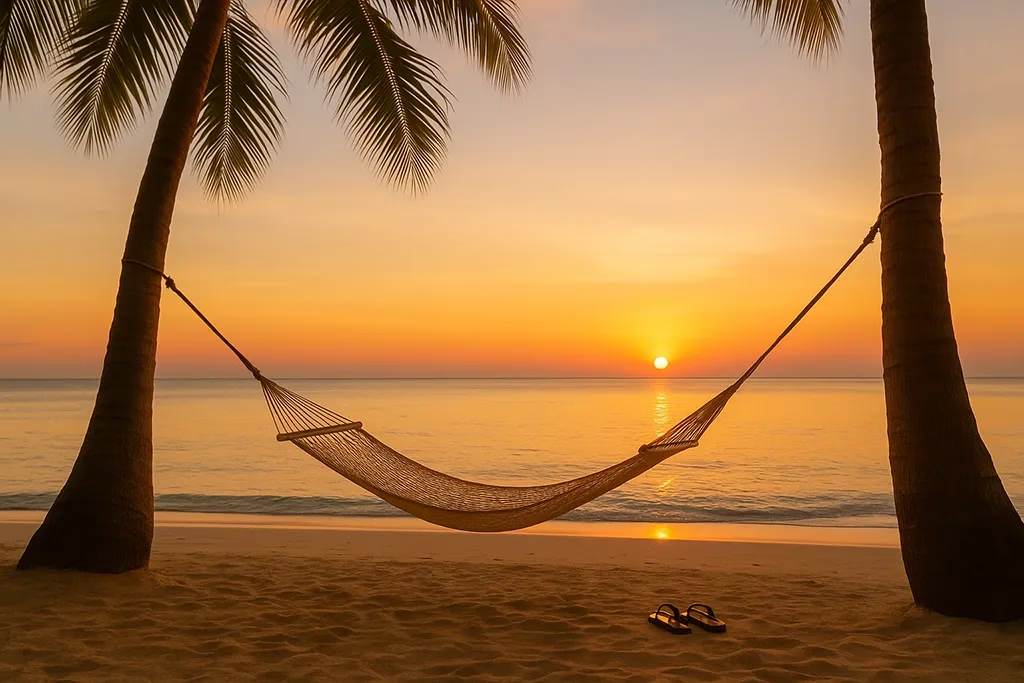
The Philippines offers more than just a place to retire. It provides a place to belong.
It’s where time slows down, meals stretch longer, and strangers turn into family faster than you can say “kain tayo” (let’s eat).
Here, aging doesn’t mean fading away — it means blooming in a place that values presence over pace. Whether you end up in Baguio’s misty hills, Bohol’s beaches, or Camiguin’s volcanic curves, you’ll discover the same truth: life feels fuller when the days are simple, the air is warm, and the people around you still wave when you pass by.
Retirement here isn’t an ending. It’s the start of your best chapter — written in sunlight and sea breeze.
Cost of Living Comparison: Life on Four Popular Philippine Islands
| Expense Category (Monthly) | Baguio City (Luzon) | Cebu City (Visayas) | Bohol (Visayas) | Camiguin Island (Mindanao) |
| Housing (1-bedroom apartment) | $350–$600 (city center) $250–$450 (suburbs) | $400–$700 (condo) $300–$500 (apartment) | $250–$450 (near coast) | $200–$400 (beachfront bungalow) |
| Utilities (electricity, water, internet) | $70–$100 | $80–$120 | $60–$100 | $50–$90 |
| Groceries & Dining | $200–$300 | $250–$350 | $200–$300 | $150–$250 |
| Healthcare / Insurance | $50–$100 | $60–$120 | $50–$100 | $40–$80 |
| Transportation | $40–$60 | $50–$80 | $30–$50 | $20–$40 |
| Entertainment / Leisure | $100–$150 | $120–$200 | $80–$120 | $60–$100 |
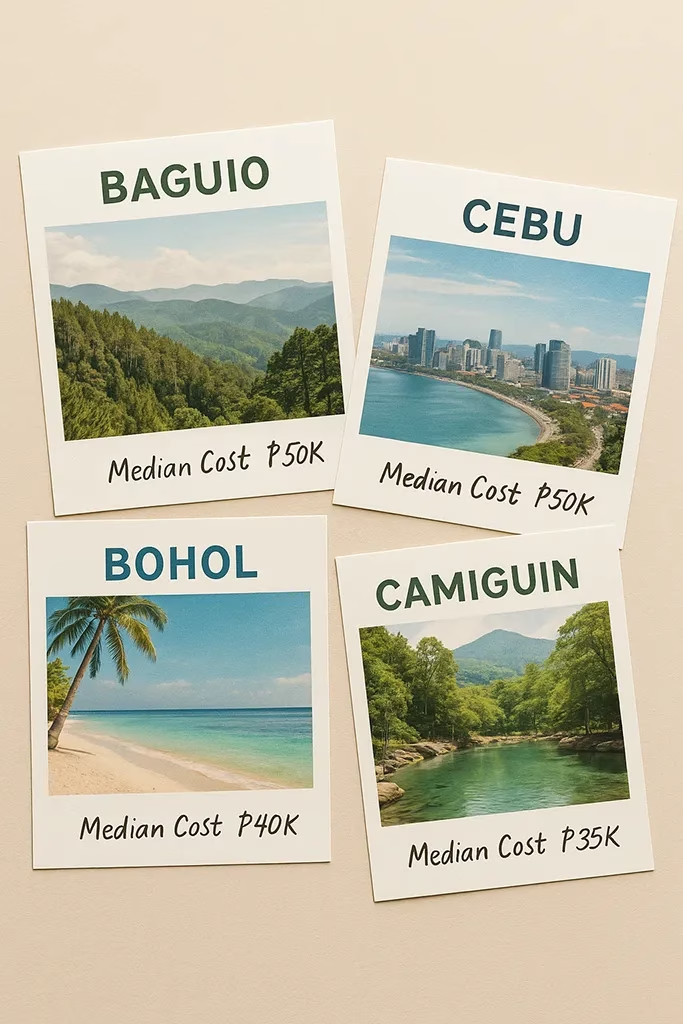
| Estimated Monthly Total | $810–$1,330 | $960–$1,550 | $670–$1,120 | $520–$960 |
Quick Takeaways
- Baguio City: Ideal if you prefer cool weather and easy access to Manila. Utility costs are slightly higher due to the mountain climate, but they remain affordable.
- Cebu City: Best balance between convenience and culture. Costs are higher, but so is comfort: excellent hospitals, shopping, and expat communities.
- Bohol: Perfect for laid-back retirees. Low housing and transportation costs, plus unbeatable peace and quiet.
- Camiguin Island: The most budget-friendly of all — a smaller community, low living costs, and nature literally at your doorstep.
FAQs – Retiring in the Philippines
1. Can foreigners legally retire in the Philippines?
Yes. The government offers the Special Resident Retiree’s Visa (SRRV) for qualified foreign retirees, allowing multiple entries and indefinite stays.
2. How much monthly income do I need to live comfortably?
Around USD $1,200–$1,800 covers rent, food, utilities, and entertainment in most islands.
3. Is healthcare reliable for foreigners?
Absolutely. Private hospitals in Cebu, Manila, and Dumaguete meet international standards, with English-speaking professionals.
4. Can I buy property as a foreigner?
You can own condominium units or lease land long-term. Partnering with a local lawyer is recommended.
5. What’s the best island for healthcare access?
Cebu and Luzon offer the most advanced hospitals, while Bohol and Dumaguete have excellent local facilities.
6. How safe are the Philippine islands for retirees?
Generally very safe, especially in smaller towns and tourist-friendly areas. Locals are protective and respectful toward retirees.
7. What’s the local attitude toward foreigners?
Warm, welcoming, and family-oriented. Filipinos love including newcomers in community life — especially at mealtime.
8. What about transportation for retirees?
Tricycles, taxis, and ride-sharing apps are widely available. For longer trips, affordable domestic flights and ferries connect all major islands.
9. How’s the weather?
Tropical — hot and humid year-round, with cooler highlands in Luzon and dry seasons perfect for beach life.
10. Can I continue working or volunteering?
Yes, retirees can volunteer or consult part-time under the SRRV visa regulations.
Other Articles that may be of Interest
You may also find the following articles interesting.
- New to the Philippines? Your First-Timer’s Guide to Getting Lost (and Loving It)
- Hidden Gems in the Philippines Only Locals Know About
Suggestions For Lodging and Travel
Lodging is widely available throughout the Philippines. However, you may want to consider getting assistance booking tours to some of the Philippines’ attractions. I’ve provided a few local agencies that we’ve found to be very good for setting up tours. For transparency, we may earn a commission when you click on certain links in this article, but this doesn’t influence our editorial standards. We only recommend services that we genuinely believe will enhance your travel experiences. This will not cost you anything, and I can continue to support this site through these links.
Local Lodging Assistance
- Guide to the Philippines: This site specializes in tours throughout the Philippines, offering flexibility in scheduling and competitive pricing. I highly recommend them for booking local arrangements for a trip like this one. You can book flights and hotels through the Expedia link provided below.
- Hotel Accommodations: I highly recommend The Manila Hotel for a stay in Manila. I stay here every time I travel to the Philippines. It is centrally located, and many attractions are easily accessible from there. Intramuros and Rizal Park are within walking distance. I have provided a search box below for you to use to search for hotels (click on “Stays” at the top) or flights (click on “Flights” at the top). This tool will provide me with an affiliate commission (at no additional cost to you).
- Kapwa Travel is a travel company focused on the Philippines. It specializes in customizing trips to meet customers’ needs.
- Tourismo Filipino is a well-established company that has been operating for over 40 years. It specializes in tailoring tours to meet customers’ needs.
- Tropical Experience Travel Services – Tours of the Philippines: This company offers a range of tour packages, allowing you to tailor your trip to your preferences.
Lastly, we recommend booking international travel flights through established organizations rather than a local travel agent in the Philippines. I recommend Expedia.com (see the box below), the site I use to book my international travel. I have provided a search box below for you to use to search for flights (click on “Flights” at the top) or Hotels (click on “Stays” at the top). This tool will provide me with an affiliate commission (at no cost to you).