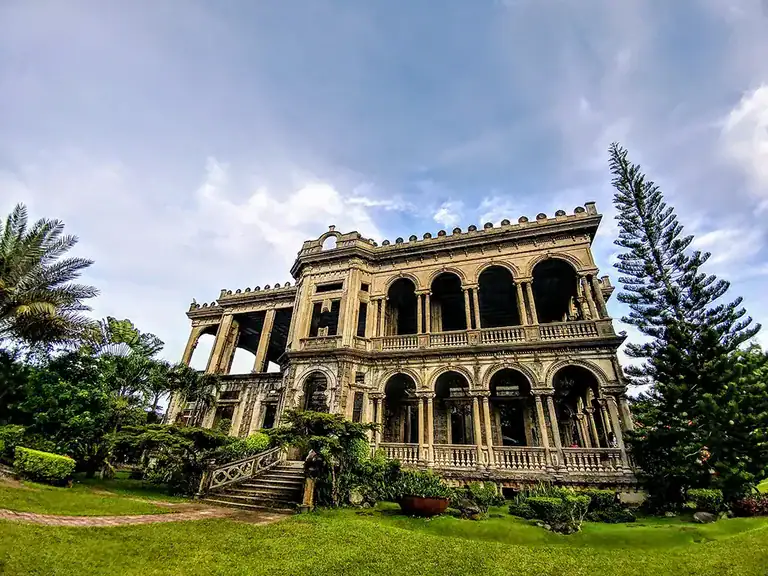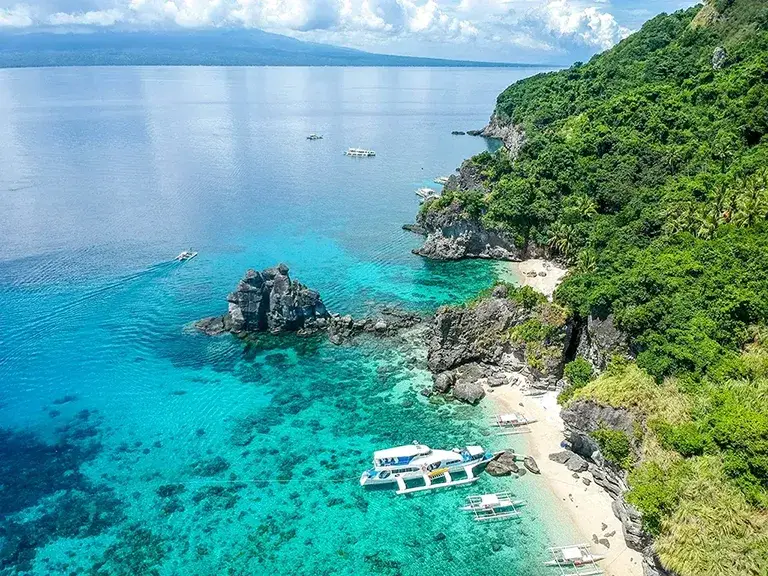
If you’ve just booked your first trip to the Philippines, congratulations — you’re about to step into one of the most charmingly chaotic, sun-drenched, and unexpectedly heartwarming places on Earth. Consider this your First-Timer’s Travel Guide to the Philippines. Picture 7,641 islands (give or take, depending on the tide), jeepneys painted like rainbows, and a population that genuinely believes a karaoke machine can fix most emotional problems.
The Philippines is not a “just show up and wing it” kind of destination — it’s a place that rewards curiosity, flexibility, and a good sense of humor. Flights might get delayed, ferries sometimes forget schedules exist, and yet… you’ll still find yourself smiling, because everything — even the detours — feels like part of the story.
This travel guide is your friendly, no-fuss crash course to navigating the magic and madness of the Philippines for the very first time. We’ve packed this guide with a number of travel tips to make your Philippines trip memorable for all the right reasons!
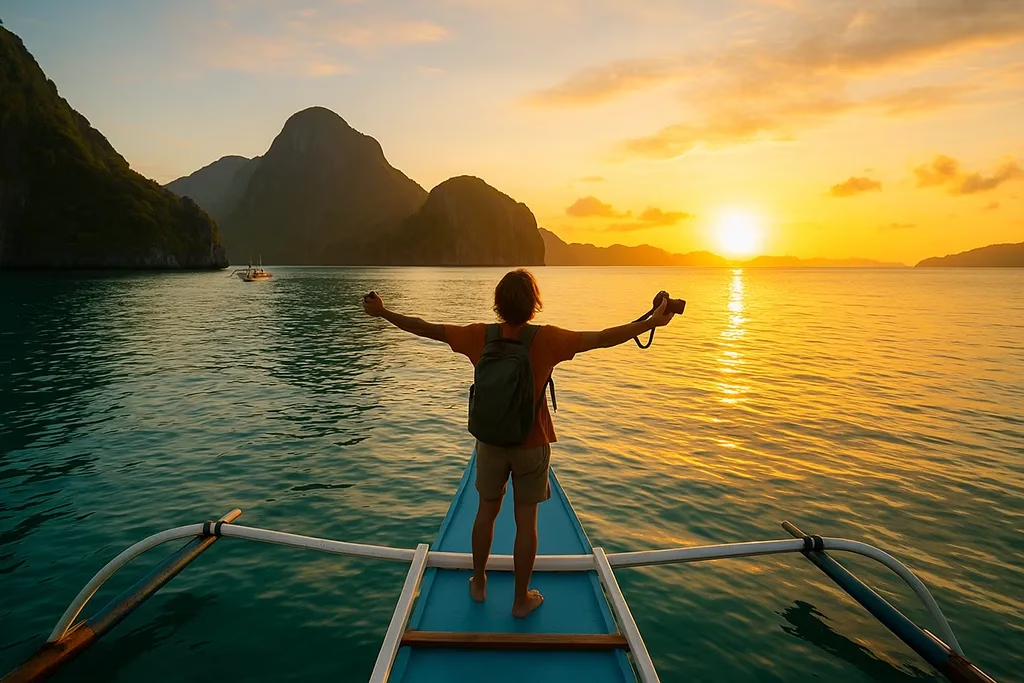
The Philippines is not just a destination — it’s an emotion. It’s that stretch of coastline strained through the lens of a coming sunset, where turquoise seas meet undying kindness, and strangers address you as “friend” before you’ve even unpacked.
A Country of Contrasts
Visit centuries-old Spanish walls in the morning, snorkel through coral gardens at lunch, then be drinking beer on a white sand beach while a teenager belts out Whitney Houston at full volume with his buddies. It’s a blend of old-world charm and island modern, woven with an infectious energy.
While several leisure-seekers may look to Southeast Asia’s many attractions, when it comes to swathes of coastline, you can tally footprints instead of tourists on the list. It’s raw beauty with real adventure: just sophisticated enough to be comfortable but still unpredictable enough to be exciting.
The Friendliest Faces You’ll Ever Meet
Every traveler who’s been here says the same thing: it’s the people who make the Philippines unforgettable. Filipinos are naturally hospitable — they’ll guide you if you’re lost, share food if you’re hungry, and laugh with you (and occasionally at you) if things go wrong. There’s a warmth here that feels like home, no matter where you’re from.
Affordable, Accessible Paradise
A little cash goes a long way. You can have a beachfront bungalow, fresh seafood, and island-hopping tours without needing a luxury budget. Mid-range travelers will find boutique stays, good transport, and gourmet meals that cost less than a coffee back home.
So, if you’re craving culture, color, and comfort — all at once — the Philippines is your next great story waiting to happen.
Getting In — Flights, Visas, and the Art of Arriving Sane
Visas and Entry
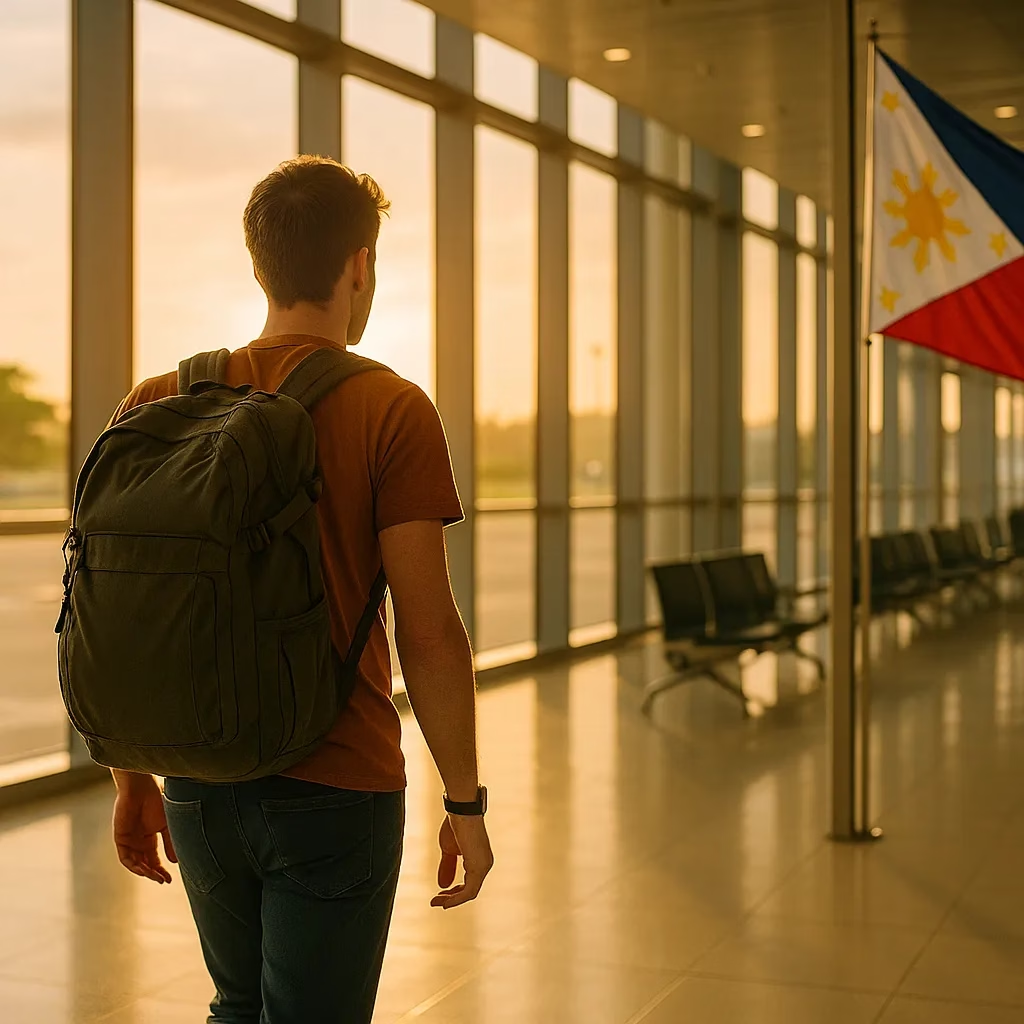
Most Western travelers — including those from the U.S., Canada, the UK, and much of Europe — can enter the Philippines visa-free for 30 days. All you need is a passport valid for six months beyond your stay, an onward ticket, and a smile that says, “I know what I’m doing.” You can extend your stay at immigration offices nationwide for up to six months, often with minimal fuss.
Here’s the first of your Philippines travel tips. You will need to present proof of completing the Philippines eTravel registration (https://etravel.gov.ph), which can be completed up to 72 hours before your arrival. This is a web-based platform that is mobile-responsive. Upon completion, you will be provided with a verification document that you will need to show to the Philippine Customs agent. There is also a mobile application that you can download from the site above, called “eGOVph”, that you can use on your mobile phone.
Airport Gateways
There are three main gateways, with Manila (MNL) being the most popular. It is significant, loud, and unpredictable — but it’s also the heartbeat of the country: colorful, cultural, and caffeinated. Cebu (CEB), in turn, is the quieter cousin, ideal for those who aren’t interested in Manila madness and prefer to head straight for the beach. Pampanga’s Clark (CRK) caters to budget airlines and is also a good base from which to explore the northern part of Luzon.
First-Day Essentials
Here’s the following tip for your Philippines travel: As soon as you land, get a local SIM card (Smart or Globe). They cost about ₱500 (about $9), which is enough to cover all your data needs during your stay. Withdraw a bit of pesos at the airport’s ATM, as not every destination will have one that works out of the gate. Download the Grab app for transportation — it’s like Uber, only tropical and friendlier.
The minute you move outside, you’ll get it — that humid embrace of island atmosphere. You’ve officially arrived in paradise.
Essential Survival Tips for First-Time Travelers
Cash Is King
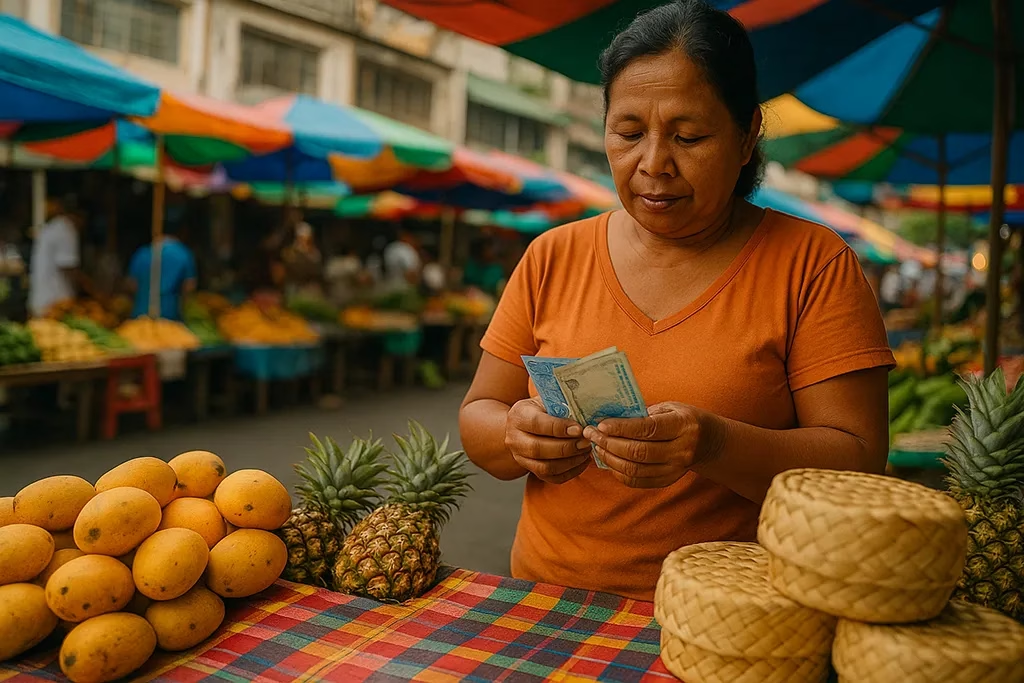
Your next travel tip is: the Philippines runs on pesos, not plastic. Even in 2025, cash remains the most reliable payment method, particularly in smaller towns and islands. ATMs have a curious habit of “resting” on weekends or during storms, so never wait until you’re down to your last bill.
Carry small denominations — ₱20, ₱50, ₱100 — since tricycle drivers and market vendors rarely have change for larger notes. Credit cards are accepted in malls and hotels (in the larger cities), but the corner café or beach shack will probably smile and point to their “Cash Only” sign.
Transportation 101 — Embrace the Journey

And now for another travel tip: traveling across the Philippines can be as entertaining as the destinations themselves.
Domestic flights connect major islands quickly — but not always punctually. Cebu Pacific, AirAsia, and Philippine Airlines are the big players, but delays are common, especially during the rainy season. Always give yourself a few buffer hours (or better yet, a day) between connecting flights.
Ferries are a national institution. From high-speed catamarans to leisurely roll-on/roll-offs (ROROs), they’re a great way to see the country’s island sprawl. Just keep an eye on weather updates; typhoons and heavy rains can ground schedules faster than you can say “adventure.”
On land, you’ll encounter jeepneys — brightly painted mini-buses with religious slogans, chrome horses, and more personality than public transport has any right to. Don’t know where to stop? Yell “Para!” and the driver will screech to a halt like you’ve just declared karaoke night.
And remember: in the Philippines, getting there is part of the fun.
Island Time & Wi-Fi Reality Check
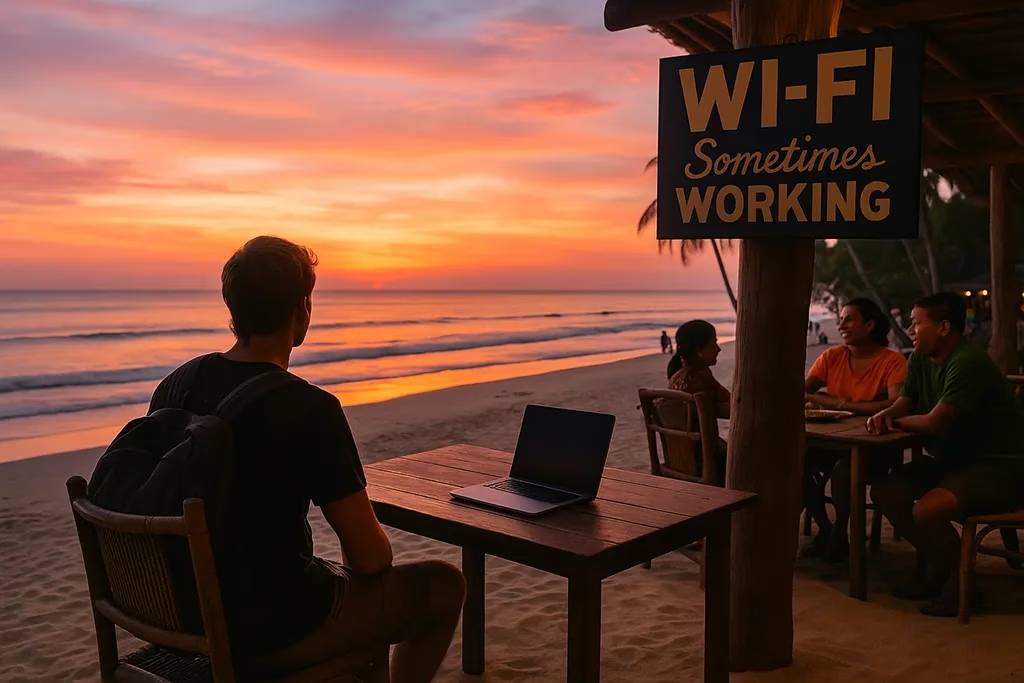
Now this is an essential travel tip in the Philippines: if you’re used to Tokyo, punctual and perfect, or Berlin, where everything seems perfectly timed, albeit messy, then take a big deep breath: You’ve arrived on island time. Here, “five minutes” can mean twenty, and “short while” can snowball into an hour (if not more) if the conversation’s excellent.
Schedules are ad hoc, ferries are stylishly tardy, and airport announcements can seem like hearsay. But that’s the magic — the Philippines teaches even the most restless traveler to be still. Get a coffee, talk to some of the locals, and pick up on the national motto: Bahala na — literally “whatever happens, happens.”
As for Wi-Fi — let’s just say the country isn’t known for it. You can expect good signal strength in large cities, but head to the islands and you’re caught between the occasional “solid reception by the window” and an unplanned digital detox. Get a local data SIM card; it’s your best friend after the Wi-Fi goes bust.
The upside? You’ll get to watch sunsets instead of screens. And that’s exactly the point.
Weather Reality Check

The Philippines doesn’t experience four seasons (another travel tip) — it has two modes: sunny and surprise rain.
It is dry, bright, and just like on the picture postcard — great for beaches and island-hopping, from December to May. Rain falls from June to November, but so does lush scenery, lower prices, and fewer tourists. Typhoons can earn headlines, but don’t let that put you off; for the most part, it’s just a few brief, dramatic downpours followed by spectacular sunsets.
Pack light clothes and sunscreen, but do not forget your all-weather mindset. You can run after the sun today, and dance in the rain tomorrow.
Cultural Cheat Sheet
Respect, humor, and empathy are the oil in Filipino culture.
Smiling is the default mode here — even serious conversations begin with one. Use “po” and “opo” when talking to elders, and don’t point with your finger (use your lips — yes, it’s a thing). When someone says “yes,” it might mean “maybe,” or “I don’t want to disappoint you.” It’s a politeness code of the nation, a matter of saving face and keeping peace, all served up with kid gloves.
And humor? It’s everywhere. Filipinos joke about everything — even traffic, so loosen up and laugh along. It’s the nation’s hush-hush antidote to survival.
Health and Safety
The following travel tip for you is that the Philippines is safe to visit, but having street smarts and common sense will prevent any untoward incidents. Stick with bottled or filtered water, wash fruit before consuming it, and pack mosquito repellent — especially in more rural areas where Dengue sometimes breaks out — trust me, you do not want to get Dengue: I spent 6 days in the hospital on one of my visits because of this disease, and it was not pleasant!
Modern and dependable hospitals are available in major cities, but in smaller clinics, facilities can be very limited. Travel insurance is not optional here; it’s a necessity. If you’re out there exploring remote islands, then know where the nearest hospital is — and hope to hell you don’t need it.” If you do, it’s ‘Pay as you go or Up-Front’, and a pre-payment of some sort is usually made, so make sure your Travel Insurance comes to the rescue!
The Regional Breakdown — Where to Go and Why You’ll Love It
Luzon – Where History and Highlands Collide
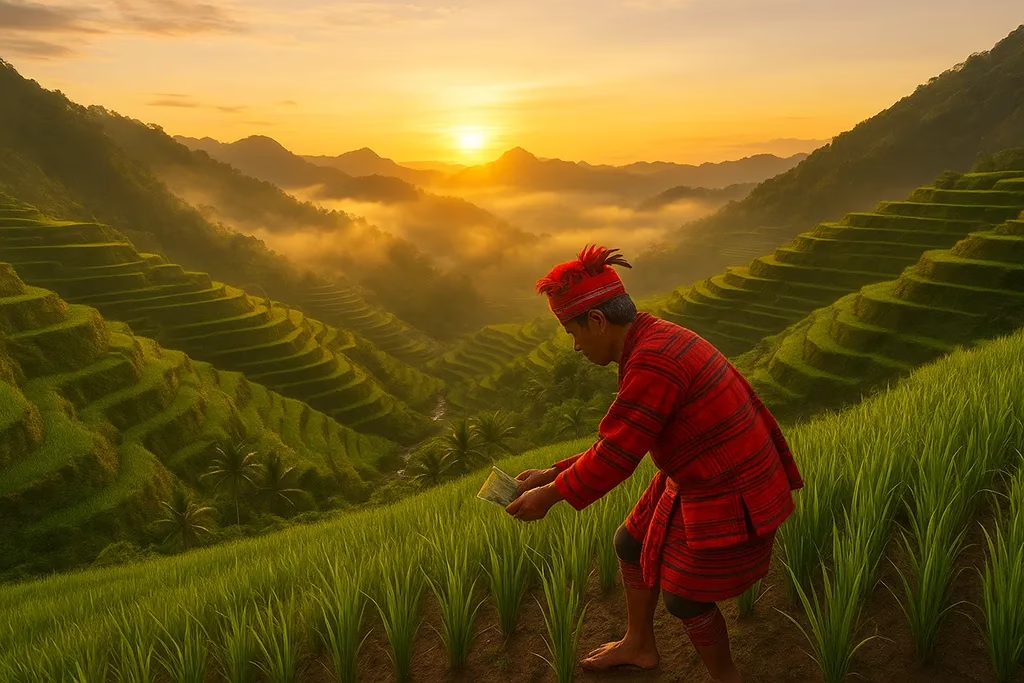
The following travel tip is: Luzon is the soul of the Philippines — a mix of skyscrapers, rice terraces, and sleepy surf towns.
Start in Manila, the capital that never slows down. Wander Intramuros, the old walled city, where cobblestone streets whisper Spanish colonial tales. Visit Fort Santiago, once a fortress and now a solemn museum—balance history with modern indulgence — rooftop bars, art galleries, and food markets bursting with creativity.
Next, head north to Baguio, the “City of Pines,” also known as “The Summer Capital”, where cool air and cozy cafés contrast the tropical lowlands. Further still, Banaue and Batad reveal the famous rice terraces — carved by hand thousands of years ago and still farmed today. Stand among them and you’ll feel time itself slow down.
Finally, down south, Bicol beckons with adventure — swim beside whale sharks in Donsol, trek around Mount Mayon (a volcano so symmetrical it looks photoshopped), and test your spice tolerance with local Bicol Express.
Visayas – The Heartbeat of the Islands
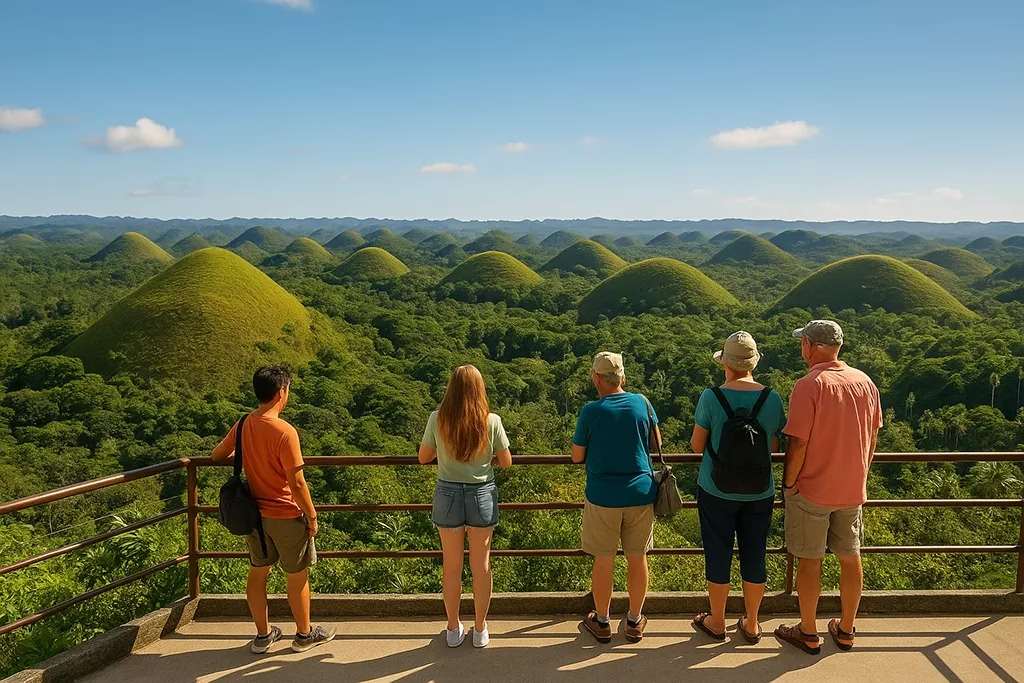
If Luzon is the soul, the Visayas are the heart — rhythmic, relaxed, and impossibly photogenic.
In Cebu, the gateway to the region, you’ll find everything from history (Magellan’s Cross) to adventure (swimming with sardines in Moalboal) to culinary royalty (lechon — roast pig so delicious it’s practically a religion). Here’s your next Philippines travel tip: be sure to try the lechon in Cebu — once you do, you’ll never forget it!
Hop to Bohol, where the Chocolate Hills rise like giant scoops of cocoa ice cream and tarsiers peer at you with saucer-sized eyes. Glide along the Loboc River on a bamboo raft while locals serenade you with ukuleles — it’s kitschy, yes, but irresistibly charming.
Down south on Negros Island, Dumaguete, the “City of Gentle People,” offers sea breezes, student cafés, and silvanas — frozen buttercream cookies that redefine temptation. From there, take a short ferry to Siquijor, the mystical island where shamans, waterfalls, and otherworldly sunsets coexist.
Everywhere you go, someone will hand you food, directions, or friendships, sometimes all three at once.
Mindanao – Wild, Warm, and Deeply Underrated
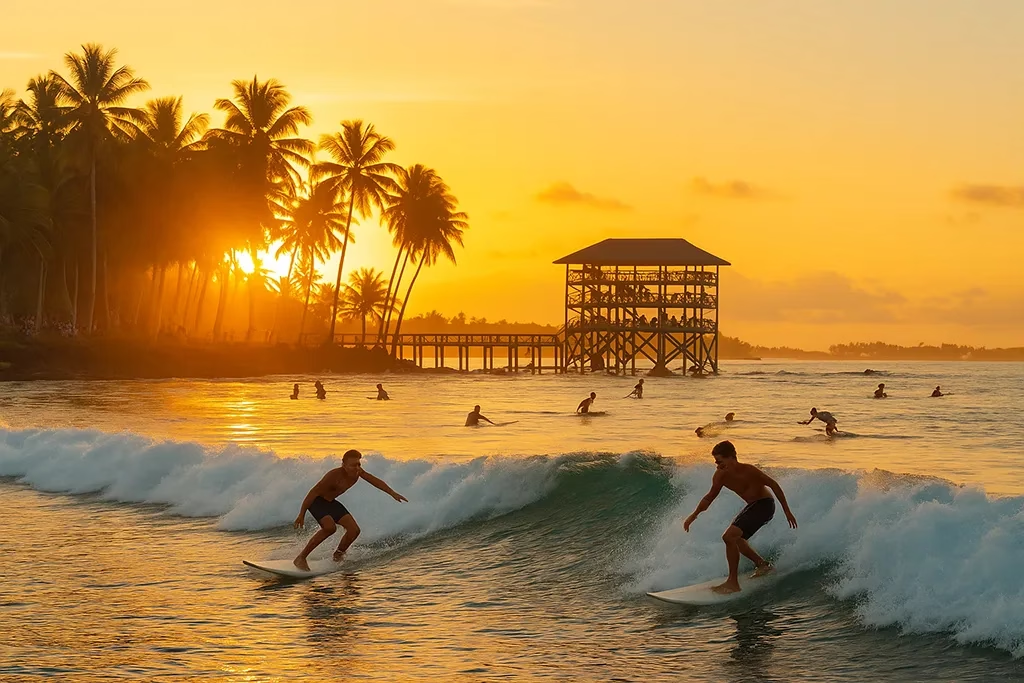
And your next travel tip is that Mindanao is the Philippines’ off-the-beaten-path — vast, misunderstood, and vibrantly alive.
Start in Davao City, known for its cleanliness, discipline, and devotion to durian (the pungent fruit you’ll either love or fear). Climb Mount Apo, the country’s highest peak, or stroll through night markets bursting with grilled everything.
Then fly or ferry to Camiguin, the “Island Born of Fire,” where volcanoes rise beside waterfalls and sunken cemeteries shimmer underwater. Further east, Siargao captures the surf-soul vibe with perfect waves, palm-lined roads, and an easygoing energy that lingers in your bones long after you’ve left.
Mindanao’s magic lies in its diversity — indigenous communities, vivid art, and the kind of hospitality that feels ancient and genuine.
What It Costs — A Realistic Budget for First-Time Travelers
You can do the Philippines on almost any budget.
Backpackers can live comfortably on $30–$50 a day — think hostels, ferries, and endless street food. Mid-range travelers ($60–$100) enjoy boutique hotels, domestic flights, and private tours. Luxury seekers ($150+) get oceanfront villas, spa days, and the kind of sunsets that make you briefly consider quitting your job forever.
Meals range from ₱100 ($2) for local dishes to ₱500–₱800 ($9–$15) for mid-range dining. Domestic flights average ₱2,500 ($45). A bottle of local beer costs about a dollar.
Bring cash. Bring more cash. Then stash emergency cash. You’ll need it in towns where ATMs are often non-functional (if they exist at all).
Festivals, Food, and Filipino Friendliness

Filipinos can have a fiesta for anything — for bountiful harvests, patron saints, mangoes, or simply “just because.”
Subscribe to the festivity that is Sinulog in Cebu every January, a spinning blend of faith and confetti. Visit Ati-Atihan in Aklan to experience tribal drums and face paint. At the Pahiyas Festival in Lucban, entire houses are transformed into edible art, featuring intricate designs made from rice and fruit. Davao’s Kadayawan honors abundance with flower-draped floats and infectious ebullience.
And the food? Be prepared to eat in ways you never have before.”
Sample adobo, the unofficial national dish stewed in vinegar and garlic until it falls apart in your mouth. Eat your fill of lechon, the crispy-skinned roast pig adored by presidents and tricycle drivers alike. Halo-halo, a shaved ice dessert with sweet beans and purple yams, that’s an anarchic-looking hodgepodge but tastes heavenly.
Food is never food here — it’s family, celebration, and the quickest way to make friends.
Common Mistakes First-Time Travelers Make
Every traveler learns these lessons the hard way, so let’s save you the trouble (here is a summary of several more Philippines travel tips — learn them well):
- Overplanning. The Philippines isn’t built for tight schedules. Delays happen; embrace them.
- Underestimating distance. “Nearby” can mean two ferries, three vans, and a scenic wait.
- Ignoring travel insurance. Don’t. Trust me on this one.
- Forgetting cash. You can’t Venmo a fisherman.
- Skipping etiquette. Be kind, be patient, and always say thank you — it truly matters here.
- Trying to do too much. Pick two or three regions max. The point isn’t to see every island — it’s to savor the ones you do.
Leaving the Philippines — And Why You’ll Come Back
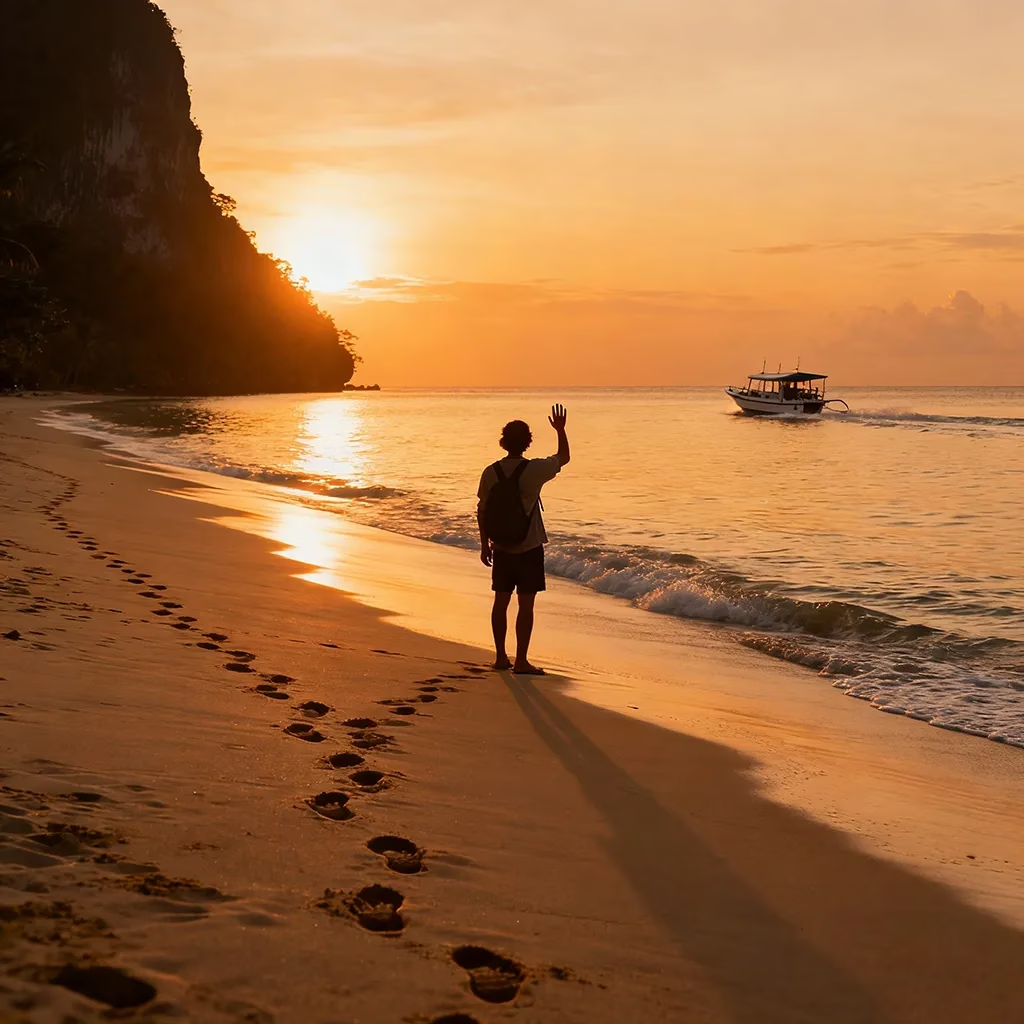
Leaving the Philippines feels like ending a good book too soon. You’ll miss the laughter, the warmth, the way every stranger seemed to want you to have a good day genuinely.
You’ll leave with sand in your shoes, hundreds of sunset photos, and a quiet promise to return. Because that’s the thing about the Philippines — it doesn’t just give you a vacation. It gives you stories, smiles, new families (you’ll be adopted), and a second home.
FAQ’s – Traveling the Philippines for the First Time?
1. Is the Philippines safe for first-time visitors?
Yes, absolutely. The country is generally safe, and even safer in popular tourist destinations like Cebu, Palawan, Siargao, and Bohol. There can also be petty theft in large crowds (like anywhere), so always keep your belongings secure. Avoid being out alone at night, and check the news before traveling to distant provinces. You’re likely to encounter locals who are friendly, helpful, and quick to take a liking to outsiders.
2. When is the best time of year to visit the Philippines?
The dry season — which falls between December and May — is slotted for maximum sunshine, island-hopping, and scuba diving. This is also high tourist season, so book your flights and hotels well in advance. The rainy months (June–November) are quieter, greener, and cheaper, but pack an umbrella – and flexibility. Typhoons do occur, but they seldom blanket the entire country.
3. How many days should I budget for a first trip?
A good first exposure is about 10–14 days. That allows you time to visit 2–3 regions — like Manila + Palawan + Cebu, or Bohol + Siquijor + Dumaguete. If you have only a week, consider choosing one central hub and exploring its outlying islands. The Philippines is a place that rewards slow travelers; to hurry here is to spend more time in airports than on beaches.
4. I am planning to visit the Philippines. Will I need a visa?
They’re visa-free for up to 30 days for most travelers from North America, Europe, Australia, and many countries in Asia. You’ll require a passport valid for six months after your arrival and evidence of onward travel. Extensions for up to six months are easily obtained at immigration offices around the country.
5. What is the best way to get around the Philippines?
Domestic flights are the fastest way to hop from island to island — for example, Manila to Cebu or Cebu to Siargao. On shorter routes, ferries are the island chain’s lifeline — and schedules can be erratic, but rides are usually beautiful. On land, you will take a tricycle, jeepney, van, or Grab ride in cities. There is an expectation of some creative traffic patterns — and patience.
6. How much should I be planning on spending per day?
- Backpackers: $30–$50/day – hostels, street eats, ferries, and local beer.
- Mid-range: $60–$100/day — boutique hotels, flights, and guided tours.
- Luxury travelers: $150 and up —private villas, island resorts, and cocktails with views.
Bring cash wherever you go. Not all places accept credit cards, and smaller islands can have fickle (or few) A.T.M.s.
7. Is English readily spoken?
Yes! The Philippines is among Asia’s most English-fluent countries. Signs, menus, and directions are nearly always in English. You’ll hear Tagalog and other local languages spoken, but almost everybody — from taxi drivers to baristas — can make chitchat with you in a friendly manner.
8. What’s the food like — and is it safe to eat street food?
Filipino food is zesty, satisfying, and unapologetically humble. There’s adobo, sinigang, lechon, and a world of grilled on skewers forever. Relatively great street food if you pick busy stalls (fresh turnover is your megapal). Build up to it slowly, perhaps with banana cues or fish balls — and move on to balut when you’re ready.
9. What to bring when traveling to the Philippines?
Think light, casual, and quick-dry. Pack some loose clothing, bathing suits, sandals, and a light raincoat. You will need sunscreen and bug spray, as well as reusable water bottles. Power sockets are Type A/B (as in the U.S.), so be sure to pack an adapter if necessary. And yes — pack extra patience for ferry schedules and Wi-Fi spots.
10. Can’t-miss experiences for first-time visitors?
Begin with the country’s “Big Five”:
- Palawan – lagoons and beaches straight out of a dream.
- Cebu – culture, diving, and the best lechon.
- Bohol – Chocolate Hills and tarsiers.
- Siargao – surf and soul.
- Manila or Intramuros – history meets chaos and charm.
If you have extra days, throw in Dumaguete, Siquijor, or Banaue for a balance between culture, metropolis, nature, and calm.
Other Articles that may be of Interest
You may also find the following articles interesting.
- What Nobody Tells You About Traveling in the Philippines
- Affordable Island Living: Why Retirees Love the Philippines
Suggestions For Lodging and Travel
Lodging is widely available throughout the Philippines. However, you may want to consider getting assistance booking tours to some of the Philippines’ attractions. I’ve provided a few local agencies that we’ve found to be very good for setting up tours. For transparency, we may earn a commission when you click on certain links in this article, but this doesn’t influence our editorial standards. We only recommend services that we genuinely believe will enhance your travel experiences. This will not cost you anything, and I can continue to support this site through these links.
Local Lodging Assistance
- Guide to the Philippines: This site specializes in tours throughout the Philippines, offering flexibility in scheduling and competitive pricing. I highly recommend them for booking local arrangements for a trip like this one. You can book flights and hotels through the Expedia link provided below.
- Hotel Accommodations: I highly recommend The Manila Hotel for a stay in Manila. I stay here every time I travel to the Philippines. It is centrally located, and many attractions are easily accessible from there. Intramuros and Rizal Park are within walking distance. I have provided a search box below for you to use to search for hotels (click on “Stays” at the top) or flights (click on “Flights” at the top). This tool will provide me with an affiliate commission (at no additional cost to you).
- Kapwa Travel is a travel company focused on the Philippines. It specializes in customizing trips to meet customers’ needs.
- Tourismo Filipino is a well-established company that has been operating for over 40 years. It specializes in tailoring tours to meet customers’ needs.
- Tropical Experience Travel Services – Tours of the Philippines: This company offers a range of tour packages, allowing you to tailor your trip to your preferences.
Lastly, we recommend booking international travel flights through established organizations rather than a local travel agent in the Philippines. I recommend Expedia.com (see the box below), the site I use to book my international travel. I have provided a search box below for you to use to search for flights (click on “Flights” at the top) or Hotels (click on “Stays” at the top). This tool will provide me with an affiliate commission (at no cost to you).