Introduction
Before celebrating the grit and humor that shine after every Philippine storm, it’s worth acknowledging what Typhoons Kalmaegi and Fung-Wong truly left behind. Across Cebu, Bohol, and Bacolod, families woke up to flooded homes, cut-off roads, or entire barangays without clean water or electricity. Fisherfolk stayed ashore longer than they liked. Travelers slept on terminal benches waiting for weather updates. And communities worked side-by-side to clear debris long before the sky fully cleared. It was hard, it was messy, and it was a reminder that nature — not your itinerary — runs the real show here. This is typhoon season in the Philippines!
And yet, there’s something strangely thrilling about traveling in a place that just survived these storms with the enthusiasm of a wet cat and the charm of a Broadway diva. The Philippines has many selling points — spicy food, big smiles, and karaoke battles that should require permits — but resilience is the one that knocks you out every time; it’s their superpower.
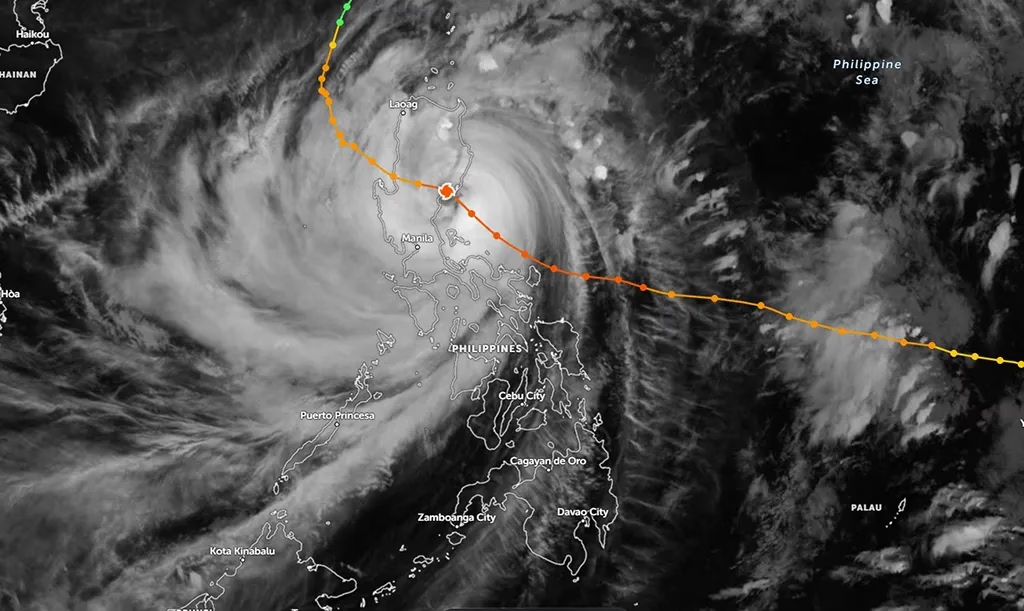
Typhoons Kalmaegi and Fung-Wong (locally known as Bibong-Bibo, because humor survives everything) slammed into the Philippines and the Visayas with all the grace of a rock star smashing a guitar. But even as winds roared and lechon memes went viral, something familiar happened: people laughed, helped each other, and found ways to turn chaos into community.
Storms reveal character. And in the Philippines, character shines brighter than a generator-powered karaoke machine.
What Made Typhoons Kalmaegi and Fung-Wong Legendary Among Philippine Typhoons?
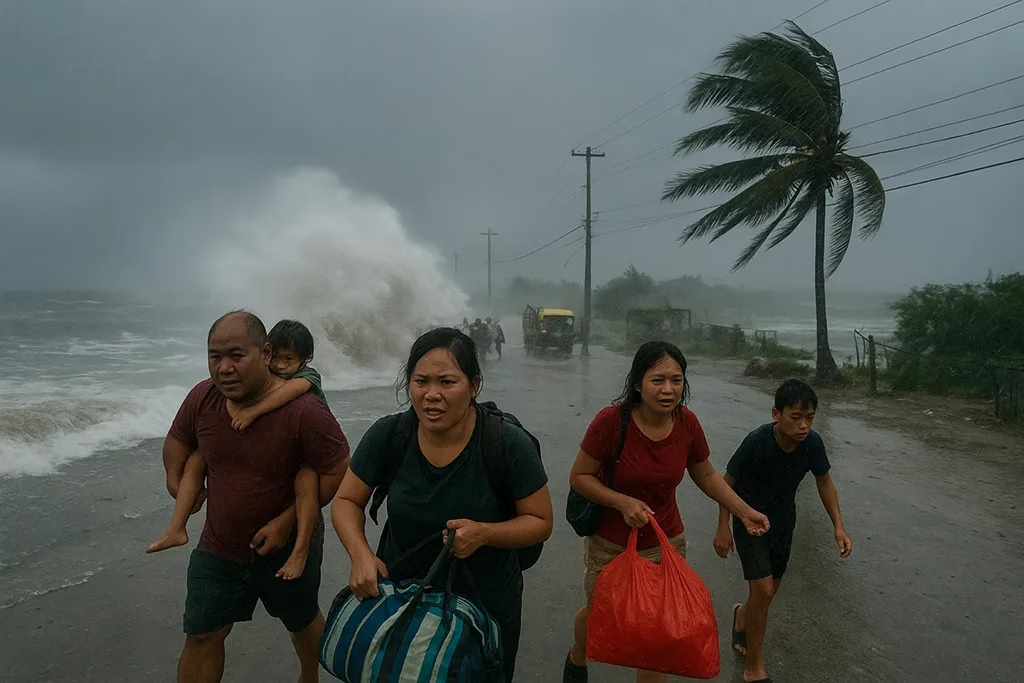
Some typhoons pass quietly. These typhoons strutted in like they wanted a headline.
They began as an offshore swirl, then boom — landfall, pounding rain, and blackouts that transformed city blocks into campgrounds. A chicken inasal sign even flew down the street like a UFO. But beyond the drama, these storms evolved into a cultural moment.
Filipinos tracked them through apps, as if they were a villain in a late-breaking series. Drone pilots flirted with danger (and marital disapproval) to get aerial footage. Villages mobilized relief efforts with record speed. And once the sun returned, the islands bounced back with remarkable momentum.
These weren’t just storms. They became a story — a shared experience, one that travelers and locals still swap over cups of barako coffee.
Cebu – Swept, Soaked, but Still Smiling
The Island’s Typhoon Tale
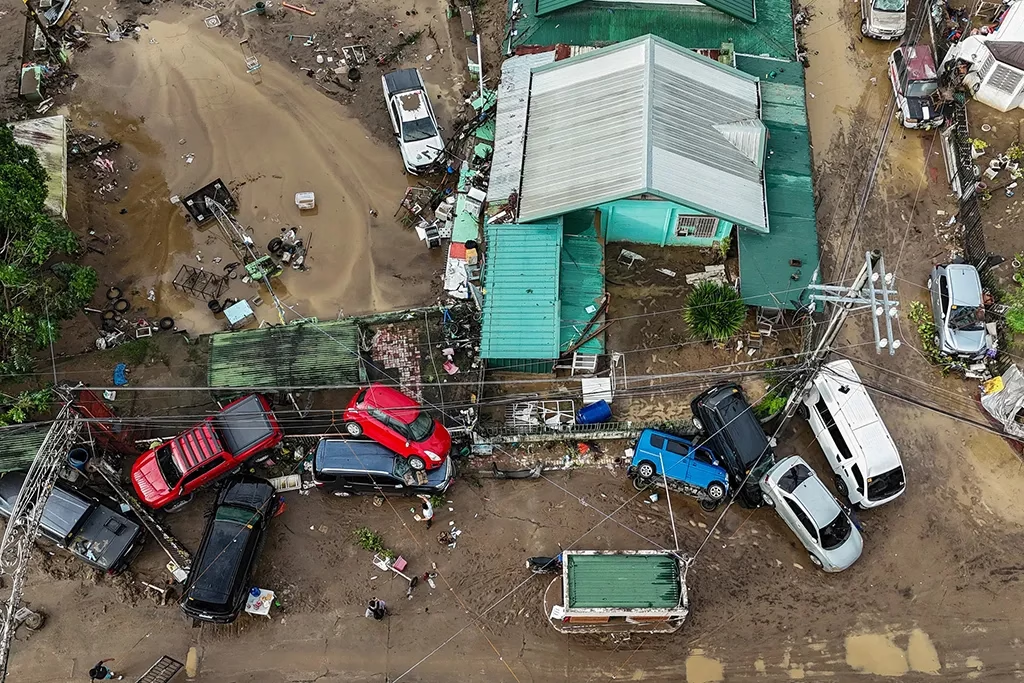
Before the laughter and the inevitable karaoke-in-the-dark, Cebu endured a tough stretch. Floodwater rose fast. Power vanished with zero explanation. Families clustered in living rooms lit only by candles and phone flashlights. Roads washed out, shops flooded, and fishing villages waited days for calmer seas. But Cebuanos breathe resilience; it’s not a trait, it’s muscle memory.
Then came the part only Cebu can pull off.
The island looked these storms straight in the eye and said, “Sige, bring it.” Streets became shallow rivers. Jeepneys transformed into stubborn amphibious creatures. And locals kept smiling because, honestly, what’s the alternative?
Photographers captured surreal scenes — reflections so perfectly edited that they felt staged, impromptu basketball games played ankle-deep in water, and sari-sari store owners rescuing snacks like precious cargo.
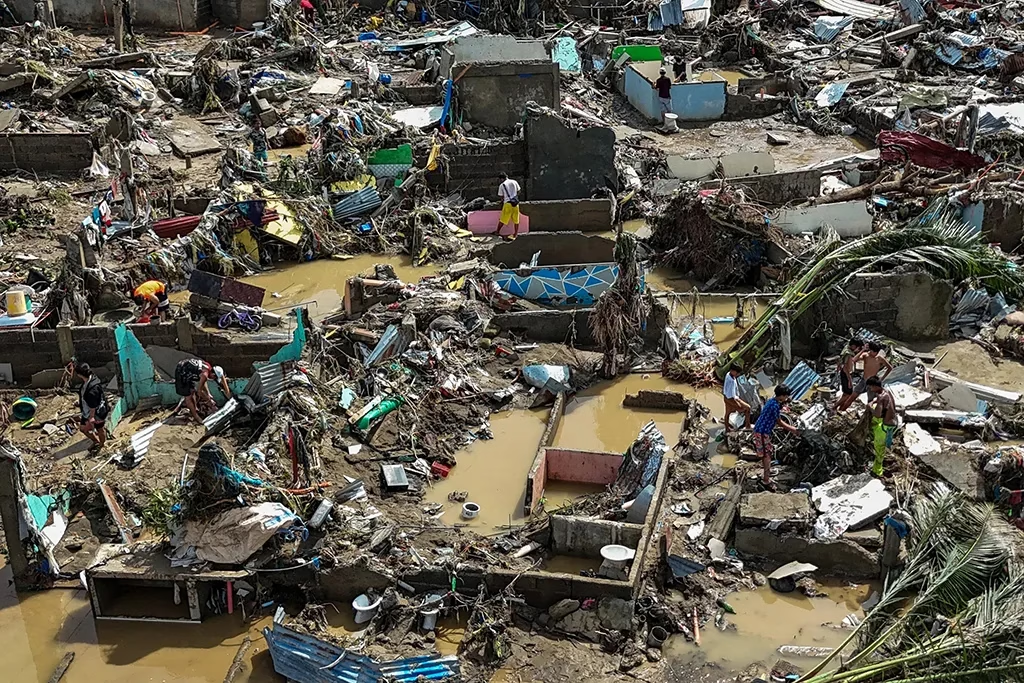
If you crave raw, honest, unscripted travel photography, post-typhoon Cebu is unintentionally cinematic.
Travel Options – Before, During, and After the Storm
Cebu in typhoon season is a “choose-your-own-adventure” book nobody remembers buying.
- Flights: Mactan–Cebu International Airport reopens quickly following the storms, though delays multiply like gremlins.
- Ferries: Suspended during the storms; come back slowly afterward.
- Buses: Official routes? More like suggestions. Detours often turn into accidental sightseeing tours.
This is organized chaos — but the good kind, especially if you travel for the stories.
Where to Stay in Cebu: Dry Beds, even in a Deluge
Cebu’s hotels prepare for storms like seasoned pros:
- Radisson Blu Cebu – reliable power, steady meals, staff who could double as therapists.
- Maayo Hotel – calm, organized, unexpectedly festive.
- Uptown guesthouses – simple, sturdy, wallet-friendly.
- Hostels – communal dinners and rumored typhoon karaoke.
Budget Snapshot
- Hostels: from $15
- Mid-range/Luxury: $50+
- Many offers post-typhoon discounts
- Bring cash — ATMs can be dramatic after a power loss
Bohol – Where Island Charm Meets Storm Surge
Soggy Yet Spectacular: Typhoons in Paradise
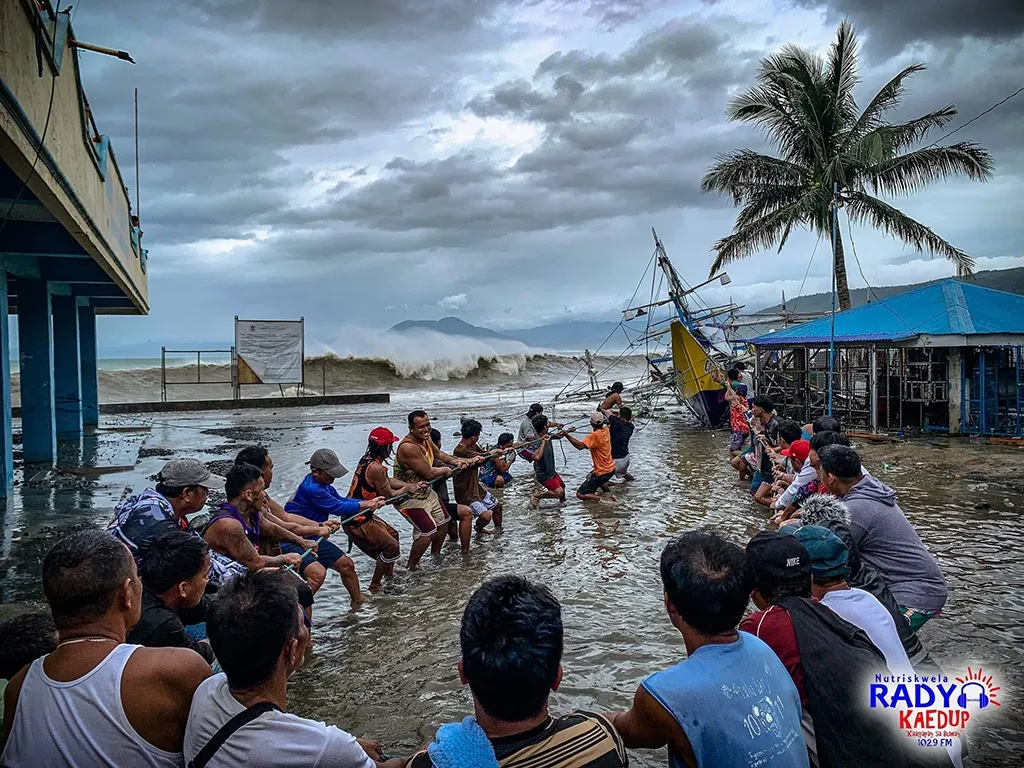
Bohol took a beating, too. The winds whipped across the Chocolate Hills, rivers rose fast, and trees fell across village roads. Blackouts stretched for hours. Resorts doubled as emergency shelters, families cooked communal meals for neighbors, and the island’s gentle beauty briefly looked battered.
But the magic of Bohol? It never disappears—it just changes shape.
The Chocolate Hills took on a moody, cinematic quality. Rivers went from peaceful to thrilling. Travelers snapped photos with hairstyles that defied the laws of physics. Panglao’s resorts stayed open, keeping generators humming and cups of warm ginger tea flowing.
Adventure lovers leaned into it: canoeing with flashlights, chasing new waterfalls created by the rains, and bonding with locals over warm, sticky kakanin.
Adventure & Culture – Resilience on the Move
Boholanos don’t break — they improvise.
Restaurants fed neighbors. Guesthouses offered free meals to stranded guests. Tours switched to flexible “whatever we can do today” modes.
Depending on conditions, travelers had access to:
- DIY countryside loops
- Riverbank picnics
- Cultural nights powered by generators or candlelight
Getting around:
- Ferries from Cebu
- Flights to Tagbilaran or Manila
- Tricycles for hops
- Vans for bigger adventures
Snacks help. Patience helps more.
Safe (and Sometimes Cheap!) Stays
Storm-ready Bohol accommodations include:
- Bohol Beach Club – sturdy structures, well-prepared teams
- Amorita Resort – generator-ready comfort
- Tagbilaran hotels – budget-friendly with backup power
Budget Snapshot:
- City hostels: $12–20/night
- Beach resorts: $40–80
- Post-typhoon discounts? Expect them.
Bacolod – The MassKara City Meets Mother Nature
Dancing in the Rain (Because, Of Course, Bacolod)
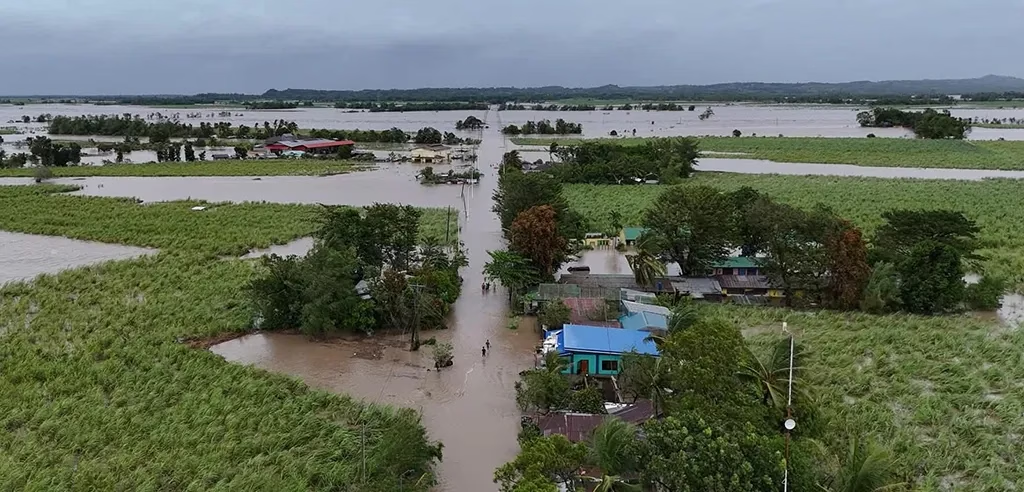
Before the laughter returned, Bacolod faced knee-high floods in some neighborhoods, extended power outages, and closed markets. Families rushed to move their belongings upstairs. Roads clogged. The usually vibrant rhythm of the city quieted into a patient wait.
Then, slowly, Bacolod remembered who it was.
If any city can turn rainfall into a festival, it’s this one. Kids splashed in puddles. Mask vendors kept selling. Locals laughed through the downpour because the MassKara spirit doesn’t drown; it floats.
Travel Suggestions
- Direct flights (double-check schedules)
- Ferries from Iloilo
- Local buses
- Car rentals (until a fallen tree changes your plans)
Expect a detour or ten. And maybe the occasional rooster on your bus seat.
Foodie Paradise – Storm-Proof Flavors
Storm or no storm, Bacolod knows how to feed people:
- Chicken inasal by candlelight
- Kakanin with a side of dark humor
- Coffee shops filled with people telling storm stories
It’s comforting, warm, and deeply human — precisely what you want after a day of unpredictable weather.
Bacolod’s Sturdiest Beds & Coziest Nooks
Top performers during Fung-Wong:
- Seda Capitol Central – reliable, warm, generator-ready
- L’Fisher Hotel – stable and trusted
- Bacolod Pension Plaza – budget comfort with surprising resilience
Budget Snapshot:
- Hotels: $30+
- Hostels: $12–20
- Meals + commute: $10–15/day
- Bring cash — card machines often take typhoon leave
Travel Options for the Adventurous (Typhoons or Not)
After a storm, travel becomes… creative.
- Planes: Delayed, but persistent
- Ferries: Check schedules daily
- Buses: Expect surprising scenic routes
- Trikes: Absolute heroes
- Walking: Beautiful once puddles retreat
Pack patience, waterproof snacks, and a talent for making friends in line.
Where to Stay: Storm-Proven Picks for Every Budget
Across Cebu, Bohol, and Bacolod, these types of stays shone brightest:
- Hotels with generators
- Hostels with flexible policies
- Homestays with heart
- Resorts built like fortresses
- Guesthouses serving hot meals even during blackouts
This is the Philippines at its best — prepared, generous, and endlessly warm.
Typhoons on a Shoestring – Budget and Costs You Didn’t Expect
The unexpected perk of storm-season travel? Discounts everywhere.
- Cheaper hotels
- Reduced tour prices
- More flexible ferry rebooking
- Restaurants lowering rates to serve more people
Your spending helps the community rebuild — turning your visit into a form of support rather than strain.
‘Instagram It or Help Rebuild?’ – A Culture Lover’s Dilemma
Respectful photography? Yes.
Insensitive disaster tourism? No.
Most travelers strike a balance:
Clean beaches in the morning, explore markets in the afternoon, and capture portraits at sunset. Helping isn’t just meaningful — it’s appreciated. Storm recovery is a mosaic of stories, and travelers often become part of that mosaic.
The Typhoon Survivor’s Mic Drop – Why Your Next Adventure Belongs in the Philippines
Travelers may come for the beaches… but they stay for the stories. And nothing shapes stories better than a place that refuses to bow to storm winds.
Pack your camera, charge your power bank, and bring your appetite for both adventure and adobo. If karaoke erupts during a blackout? Join the chorus.
If a bit of rain didn’t stop the Filipinos, why should it stop you?
Other Articles that may be of Interest
You may also find the following articles interesting.
- The Best Places for First-Time Philippine Travelers: A Love Affair with Cebu, Siquijor, Palawan, Leyte & Negros
- Siquijor’s Spirit: Healing, Folklore, and the Power of Being Misunderstood
Suggestions For Lodging and Travel
Lodging is widely available throughout the Philippines. However, you may want to consider getting assistance booking tours to some of the Philippines’ attractions. I’ve provided a few local agencies that we’ve found to be very good for setting up tours. For transparency, we may earn a commission when you click on certain links in this article, but this doesn’t influence our editorial standards. We only recommend services that we genuinely believe will enhance your travel experiences. This will not cost you anything, and I can continue to support this site through these links.
Local Lodging Assistance
- Guide to the Philippines: This site specializes in tours across the Philippines, offering flexible scheduling and competitive pricing. I highly recommend them for booking local arrangements for a trip like this one. You can book flights and hotels through the Expedia link provided below.
- Hotel Accommodations: I highly recommend The Manila Hotel for a stay in Manila. I stay here every time I travel to the Philippines. It is centrally located, and many attractions are easily accessible from there. Intramuros and Rizal Park are within walking distance. I have provided a search box below for you to use to find hotels (click “Stays” at the top) or flights (click “Flights” at the top). This tool will provide me with an affiliate commission (at no additional cost to you).
- Kapwa Travel is a travel company focused on the Philippines. It specializes in customizing trips to meet customers’ needs.
- Tourismo Filipino is a well-established company that has been operating for over 40 years. It specializes in tailoring tours to meet customers’ needs.
- Tropical Experience Travel Services – Tours of the Philippines: This company offers a range of tour packages, allowing you to tailor your trip to your preferences.
Lastly, we recommend booking international travel flights through established organizations rather than a local travel agent in the Philippines. I recommend Expedia.com (see the box below), the site I use to book my international travel. I have provided a search box below for you to use to find flights (click “Flights” at the top) or Hotels (click “Stays” at the top). This tool will provide me with an affiliate commission (at no cost to you).