
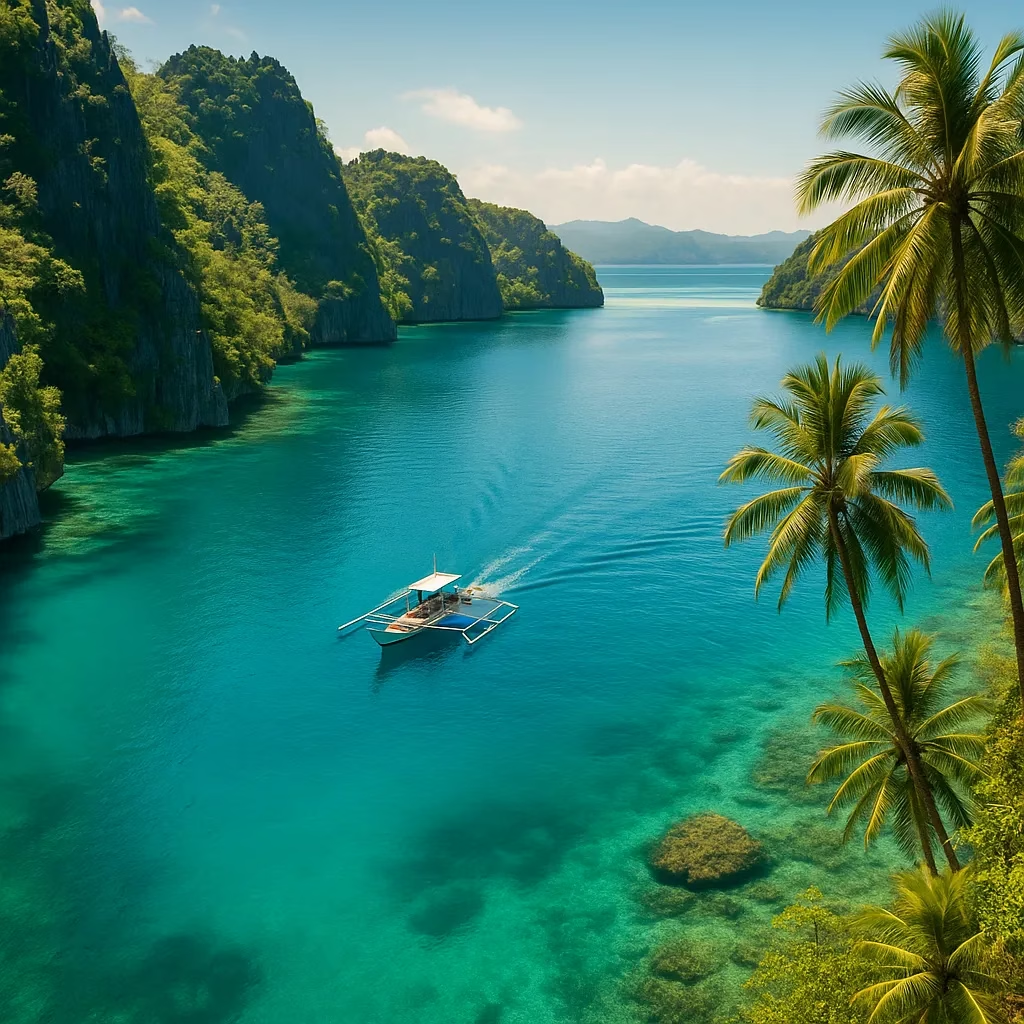
One of the immediate lessons that first-time travelers to the Philippines learn is: if paradise had Wi-Fi, karaoke, and mangoes that make you rethink every mango you’ve ever eaten, it would be the Philippines.
But where do you start when the country has over 7,000 islands, each shouting “Pick me! Pick me!” like contestants on a reality show? Easy. You begin where the adventure feels both epic and doable — the heart of the Visayas and beyond: Cebu, Siquijor, Palawan, Leyte, and Negros. Think of this article as a Philippines Travel Guide for first-time visitors. We’ve even laid out the start of the Philippines Itinerary that you can expand or adjust to suit your available time, budget, and wish-list.
But remember, this isn’t a checklist kind of trip. It’s a full-senses takeover — a mix of culture, beach therapy, and that inevitable “why didn’t I come here sooner?” feeling. Let’s dive in.
Cebu – Where Culture, Cuisine, and Chaos Mix (Quite Nicely)
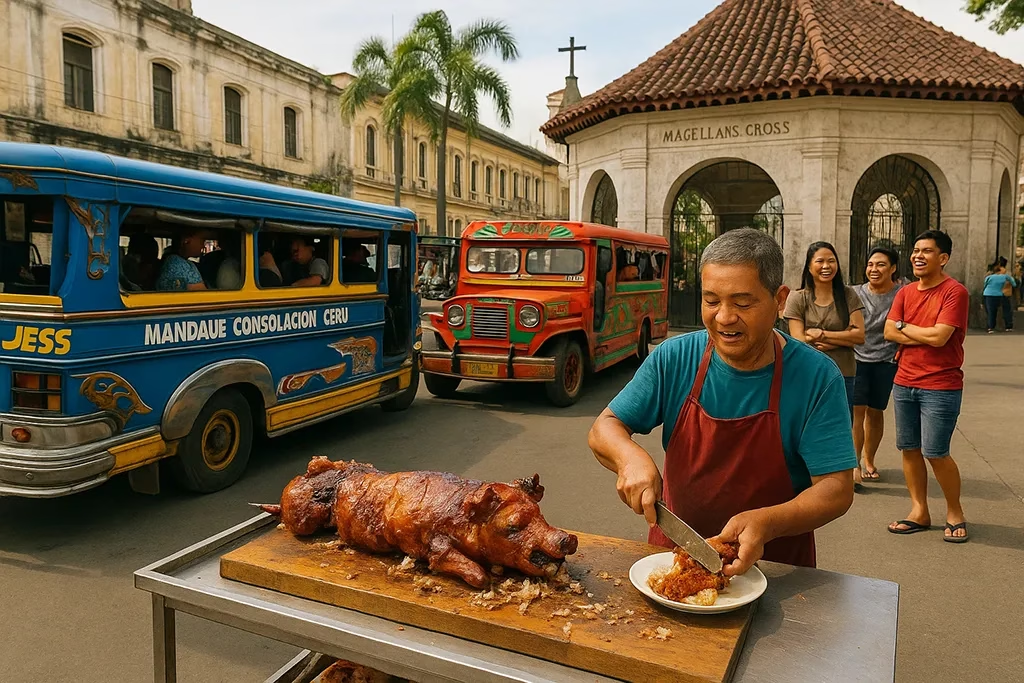
If the Philippines were a movie, Cebu would be the dashing leading man — dramatic, charming, and full of backstory, with food always on hand.
Cebu City is usually your point of first contact, and it welcomes you generously. Within hours, you’ll smell lechon sizzling, hear tricycles honking, laughter echoing, and church bells chiming — Cebu’s way of saying hello.
Start with the classics. Go to Magellan’s Cross — the historical selfie everyone takes — and Fort San Pedro, the country’s oldest military fort that you can still visit. Enter the Basilica del Santo Niño, where ancient belief fuses with modern worship. Even if you’re not religious, something will hit you — likely the air-conditioning, but perhaps also the history.
Then there’s lechon. Cebu’s version is so well-known that Anthony Bourdain once dubbed it “the best pig ever.” It’s crunchy, juicy, and sinful enough to make you whisper, “Sorry, arteries.” Enjoy it with puso (hanging rice) and a refreshing ice-cold beer. Regret nothing.
If you time it right, attend the Sinulog Festival in January — a delirium of color, faith, and dancing that somehow turns devotion into a street rave. It’s messy, it’s hot, and it’s gloriously joyful.
Beyond the city, Cebu’s coastlines offer movie-scaled beauty. Swim with sardines in Moalboal, chase turquoise cascades at Kawasan Falls, and hop on a ferry to Bantayan Island for sleepy beach town vibes.
Cebu makes a fine beginning — history, hedonism, and heart packed into one small package.
Siquijor – The Island That Heals Your Burnout (and Maybe Your Aura)
Locals say Siquijor is magical. This should be on top of every first-time Philippines traveler’s list of stops. This place leaves a lasting impression. For a long time, people believed it was haunted. It’s not! Now, digital nomads and stressed-out urbanites are flying in for healing—spiritual, emotional (and sometimes hangover-related).
The Wi-Fi may fail, but the energy here hums louder than your phone ever could. Boardrooms are replaced with hammocks, time slows down, and you find yourself using words like “alignment” without irony.
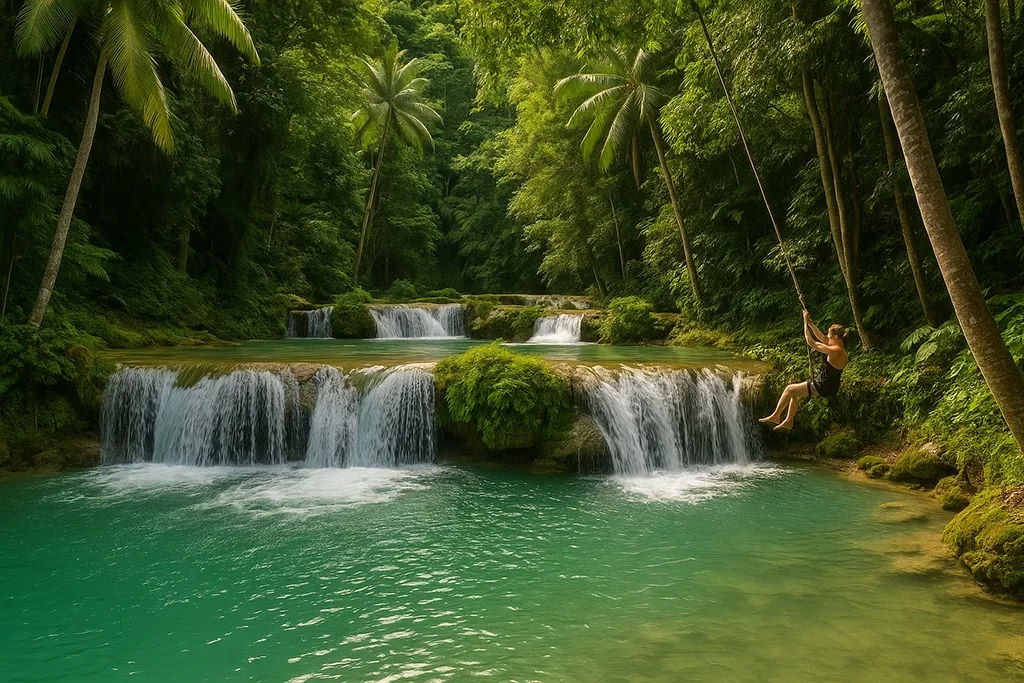
The showstopper is Cambugahay Falls — three tiers of milky-blue water framed by jungle. You can swing from vines like a tropical Tarzan or float there pretending you’ve transcended capitalism.
There’s also the Balete Tree, a 400-year-old giant where little fish nibble at your toes in a natural foot spa. Locals describe it as magical, and even skeptics admit it’s calming.
And then there’s Siquijor’s signature vibe — soft mysticism. You can visit traditional healers (mambabarang or herbolario) for herbal cures and spiritual cleansing, or simply let the sea work its therapeutic magic.
At sunset, head to Paliton Beach, where the horizon melts like honey. Pair it with a cold beer, a few fireflies, and that rare feeling of genuine calm.
Siquijor doesn’t shout. It hums — softly, sweetly, like the universe sipping tea and saying, “There you go, it’s all right.”
Palawan – The Cinematic Love Story You Didn’t Know You Were In
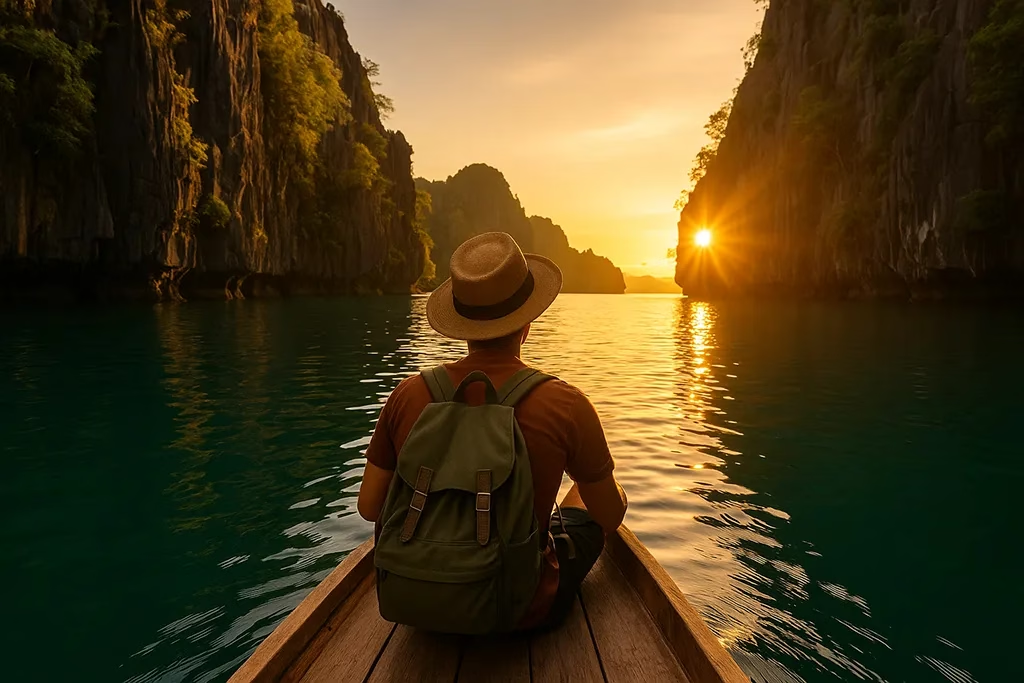
Most first-time travelers to the Philippines already have Palawan on their itinerary, and for good reason. Palawan is the kind of place that leaves you wanting more from other destinations. Once you’ve floated through an emerald lagoon surrounded by limestone cliffs taller than your future goals, everything else feels… meh.
This island province is the Philippines’ golden child — constantly winning “World’s Best Island” awards like it’s collecting trophies. And it earns every single one.
El Nido stars with its dramatic cliffs, secret beaches, and island-hopping that makes you feel like a castaway in a luxury ad. Choose Tour A or C (locals swear by them), hop on a banca boat, and prepare for sensory overload: lagoons so blue you’ll check if your sunglasses are lying, and coral gardens that look painted.
Then there’s Coron, the quieter, moodier sibling — shipwreck dives, crystal-clear Kayangan Lake, and cliffside sunsets that turn skeptics into poets. Snorkel above WWII wrecks, explore Twin Lagoon, and realize your fear of deep water was temporary, but this memory isn’t.
Puerto Princesa, the capital, has its own bragging rights — the Underground River, a UNESCO World Heritage Site where you float into a cathedral-like cave system. Imagine an echoing choir of bats welcoming you to one of nature’s strangest wonders.
Palawan’s not cheap — but honestly, you’d pay double once you see it. Consider it an investment in your future happiness (and in all the people who’ll envy your photos).
Leyte – The Underdog with Big Stories and Bigger Beaches
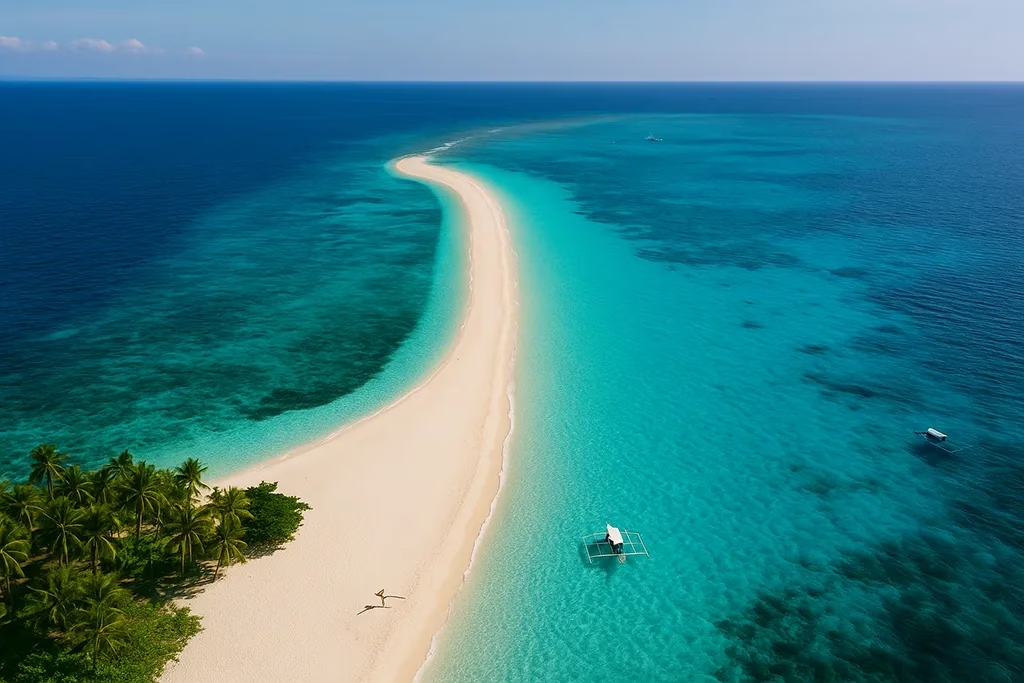
Most first-time travelers to the Philippines skip Leyte. Big mistake! Huge!
This island is like that quiet classmate who suddenly takes off their glasses and turns out to be stunning. Historically rich, naturally gifted, and refreshingly underrated, Leyte deserves its spotlight.
Start with Tacloban City, where history runs deep. This is where General Douglas MacArthur made his dramatic “I shall return” comeback during World War II. Visit the MacArthur Landing Memorial — a solemn but oddly selfie-friendly spot where bronze statues rise from the sea, reenacting that iconic moment.
Then, switch gears to Kalanggaman Island — the Beyoncé of Philippine sandbars. A long stretch of powder-white sand slicing into turquoise water, so flawless it looks edited. Bring sunscreen, a picnic, and a good excuse for not going home.
For more nature, explore Lake Danao, shaped like a guitar (because why not?), or go island-hopping in Cuatro Islas, where each island feels like it’s trying to outshine the last.
The best part? Prices here are kind. You’ll eat feasts for the price of a coffee in London, and locals will greet you like a long-lost cousin.
Leyte isn’t loud. It’s low-key marvelous. The kind of place you brag about only after you’ve left — because you want to keep it that way.
Negros – Where Dumaguete’s Smile Meets Nature’s Calm
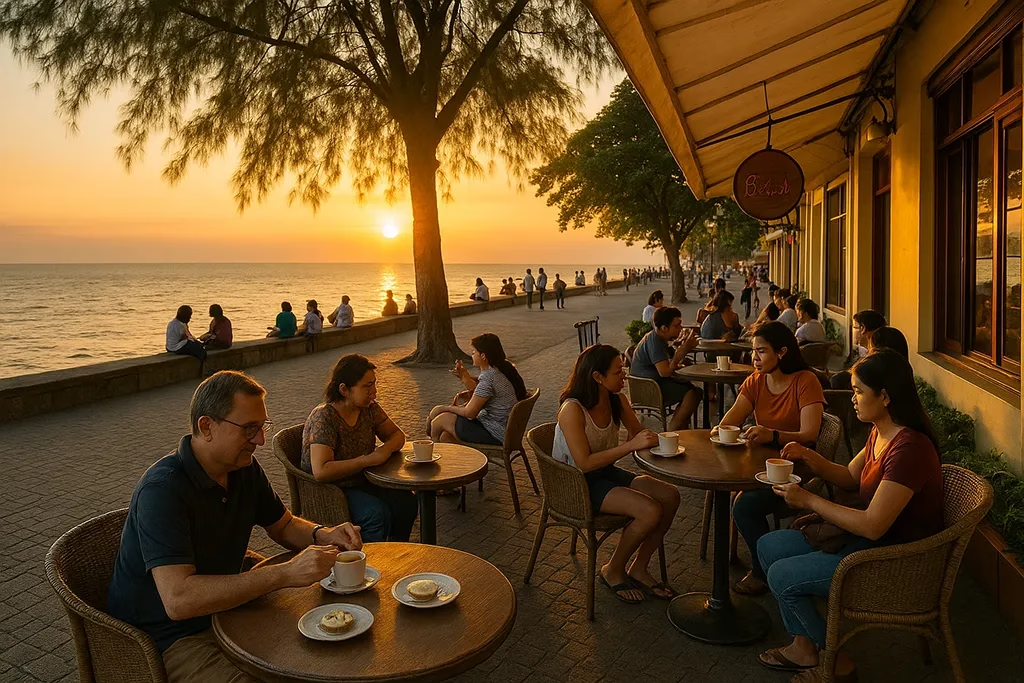
If Leyte is the quiet friend, Negros is the one who insists you stay for dessert — then hands you silvanas, and suddenly you’re cancelling your flight home.
Negros Island is split into two provinces — Negros Oriental (home to Dumaguete) and Negros Occidental (where Bacolod lives, smiling under a festival mask).
Let’s start in Dumaguete, famously called the City of Gentle People. And yes, they really are that nice. Ask for directions, and someone will not only guide you but probably walk you there. Drop your wallet, and someone will chase you down to return it, smiling the whole time.
The city hums with warmth. Stroll along Rizal Boulevard at sunset — sea breeze in your hair, tempura stalls sizzling nearby. Stop by Sans Rival Bakery for the city’s most addictive creation: silvanas — frozen buttercream cookies coated in cashews that are so good they should come with a warning label.
For adventure, take a short trip to Apo Island, where you can snorkel alongside giant sea turtles. (Yes, real ones. No CGI.) Or trek to Casaroro Falls, hidden in lush greenery like a secret reward for the cardio you didn’t plan on.
If you’ve got extra time, hop over to Bacolod in Negros Occidental. It’s home to the MassKara Festival, where everyone wears smiling masks and dances in the streets like happiness is mandatory. Spoiler: it is.
Negros is comfort and charm in flip-flops — seaside coffee, easy laughter, and adventures that end with dessert.
How to String These Islands Together (Without Losing Your Luggage or Mind)
Traveling between Philippine islands is an adventure in itself — part navigation, part patience, and part snack management.
Here’s the Philippines Itinerary cheat sheet (this should get every first-time Philippines traveler off to a great start):
- Cebu → Siquijor: ferry via Dumaguete to Tagbilaran. Bring snacks. Ferries operate on “Filipino time,” a concept where schedules are more suggestions than rigid schedules.
- Siquijor → Dumaguete (Negros): A short, scenic ferry ride. Try not to fall in love with the ocean. You’ll fail.
- Negros → Leyte: Take the overnight ferry or flight via Cebu. Perfect excuse to nap or journal about how relaxed you are.
- Leyte → Palawan: Flight via Cebu or Manila. Yes, it’s a hop — but the kind of hop that lands you in turquoise heaven.
When traveling between islands, allow for a full day of movement. You won’t always need it, but when things go smoothly, that’s a bonus — not a guarantee.
Rough budget:
- Domestic flights: $40–$60 each
- Ferries: $10–$20 each
- Accommodation: $30–$70 per night (midrange)
- Street food: $2 (and worth every cent)
Just remember: the journey is part of the fun. And when delays happen — and they will — take the local advice: “Relax, it’s island time.”
The Real Secret Ingredient — The People
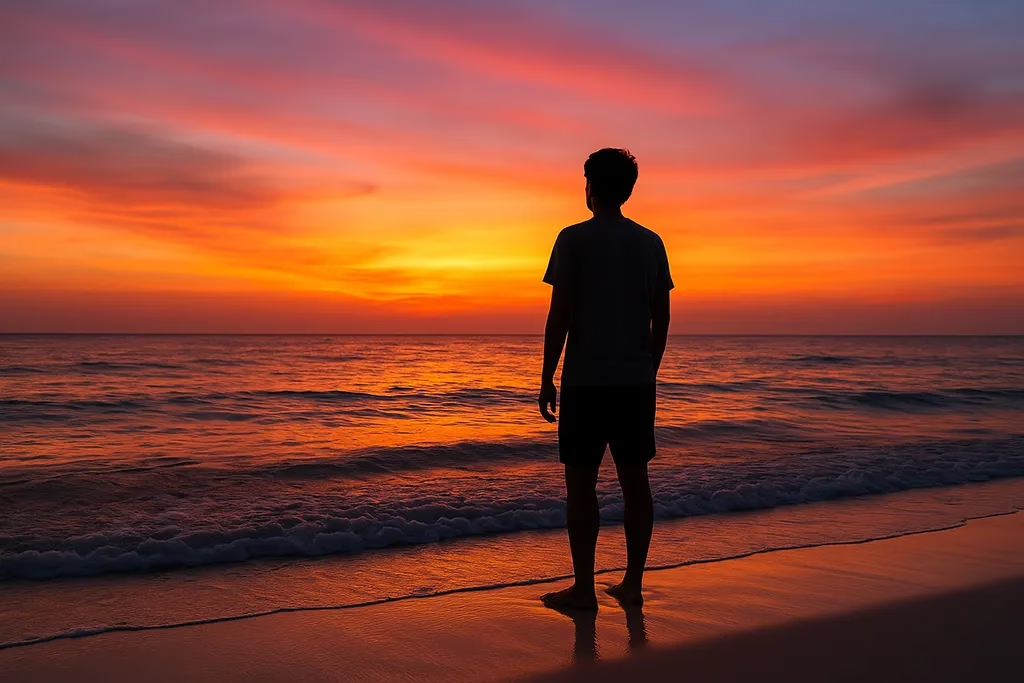
Here’s the thing about the Philippines: you come for the beaches, but you stay for the people.
Filipinos are world-class hosts. Strangers will feed you, guide you, and insist you take another serving even when you’re full. They’ll invite you to karaoke, and suddenly you’re belting out My Heart Will Go On with a fisherman and a grandma who sounds better than Celine Dion.
Hospitality here isn’t a transaction — it’s a lifestyle. Say salamat (thank you), smile often, and you’ll find friends everywhere. Even the jeepney driver might offer a playlist recommendation or life tip.
The Philippines doesn’t just show you its beauty — it hands it to you with both palms open.
In the End — Fall in Love, Not in Line
You could travel to the Philippines and visit the beaches. But you’d miss the point.
This archipelago is not just scenery — it’s a living, laughing, dancing invitation to slow down and rediscover sensation. In Cebu, you’ll taste history. On Siquijor, you’ll rediscover peace. In Palawan, you might ask whether you’re even still on Earth. You will discover unwritten stories in Leyte. And on Negros you’ll be reminded that life is good when it’s soft.
So pack light — just your swimsuit, power bank, and curiosity. The rest? The Philippines will provide.
And if you ever get lost? Don’t worry. Someone will walk you back — probably with a smile, and perhaps even a snack.
FAQs
1. What’s the best time to visit the Philippines?
December to May — dry, sunny, and all your selfies will have perfect lighting.
2. How safe is it to travel around these islands?
Safer than your group chat after karaoke night. Use common sense, and you’re golden.
3. Do I need cash, or can I use cards?
Cash is king, especially in small towns. Keep pesos handy — and smaller bills too, since not every paradise takes Visa.
4. Is English widely spoken?
Yes! Most Filipinos speak excellent English — and even better humor.
5. How many days do I need to visit all five destinations?
Two weeks minimum if you like breathing between adventures. Three, if you really soak it in.
6. Can I island-hop easily?
Absolutely. Ferries and domestic flights connect everything — pack patience and snacks. Remember, you’re on island time.
7. What should I eat first?
Lechon in Cebu. Then Silvanas in Dumaguete. Then everything else.
8. Is Siquijor really magical?
Yes. You’ll leave lighter — spiritually, mentally, and probably luggage-wise after buying too many souvenirs.
9. What makes Filipinos so friendly?
It’s in the water. Or the rice. Or maybe just their hearts. Their sense of family and community flows through everything — and it’s what keeps travelers coming back.
10. Will I want to come back?
Oh, you will. The islands have a way of whispering, “See you soon,” and they mean it.
Other Articles that may be of Interest
You may also find the following articles interesting.
- Hidden Gems in the Philippines Only Locals Know About
- Amazing Filipino Resilience In the Aftermath of Typhoons Kalmaegi & Fung-Wong
Suggestions For Lodging and Travel
Lodging is widely available throughout the Philippines. However, you may want to consider getting assistance booking tours to some of the Philippines’ attractions. I’ve provided a few local agencies that we’ve found to be very good for setting up tours. For transparency, we may earn a commission when you click on certain links in this article, but this doesn’t influence our editorial standards. We only recommend services that we genuinely believe will enhance your travel experiences. This will not cost you anything, and I can continue to support this site through these links.
Local Lodging Assistance
- Guide to the Philippines: This site specializes in tours across the Philippines, offering flexible scheduling and competitive pricing. I highly recommend them for booking local arrangements for a trip like this one. You can book flights and hotels through the Expedia link provided below.
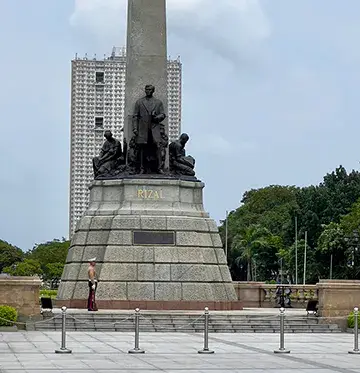
- Hotel Accommodations: I highly recommend The Manila Hotel for a stay in Manila. I stay here every time I travel to the Philippines. It is centrally located, and many attractions are easily accessible from there. Intramuros and Rizal Park are within walking distance. I have provided a search box below for you to use to find hotels (click “Stays” at the top) or flights (click “Flights” at the top). This tool will provide me with an affiliate commission (at no additional cost to you).
- Kapwa Travel is a travel company focused on the Philippines. It specializes in customizing trips to meet customers’ needs.
- Tourismo Filipino is a well-established company that has been operating for over 40 years. It specializes in tailoring tours to meet customers’ needs.
- Tropical Experience Travel Services – Tours of the Philippines: This company offers a range of tour packages, allowing you to tailor your trip to your preferences.
Lastly, we recommend booking international travel flights through established organizations rather than a local travel agent in the Philippines. I recommend Expedia.com (see the box below), the site I use to book my international travel. I have provided a search box below for you to use to find flights (click “Flights” at the top) or Hotels (click “Stays” at the top). This tool will provide me with an affiliate commission (at no cost to you).

Exceptional post however , I was wanting to know if you could write a litte more on this subject? I’d be very thankful if you could elaborate a little bit more. Thanks!